Charting the Interplay of Progressive Loyalty Tiers Across Integrated Wagering Platforms
Katja Perry · May 18, 2026
Charting the Interplay of Progressive Loyalty Tiers Across Integrated Wagering Platforms
Operators have expanded loyalty structures that connect multiple wagering sites into single ecosystems, allowing users to carry tier status and accumulated points from one platform to another without resetting progress. This approach relies on shared data systems that track activity across sportsbooks, casinos, and live betting interfaces while maintaining separate regulatory compliance for each jurisdiction.
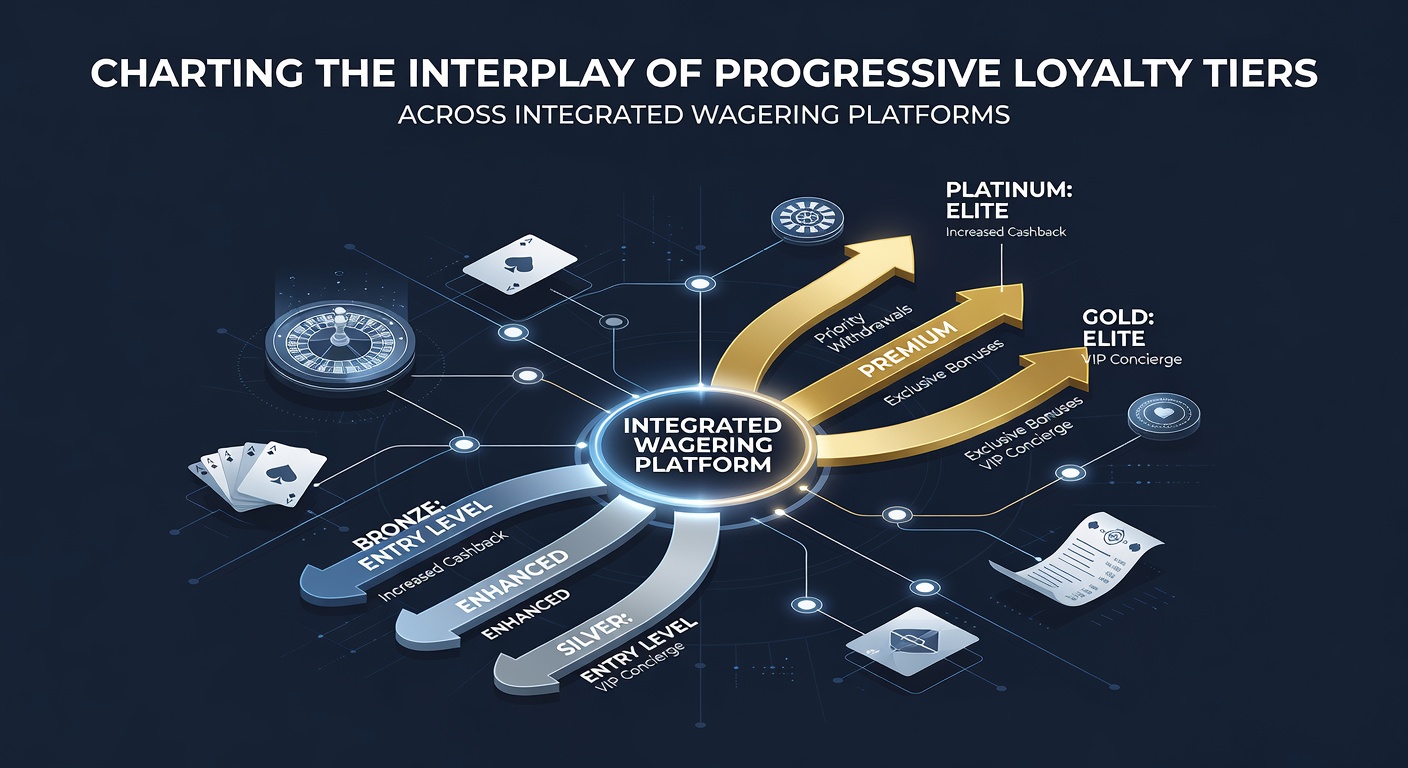
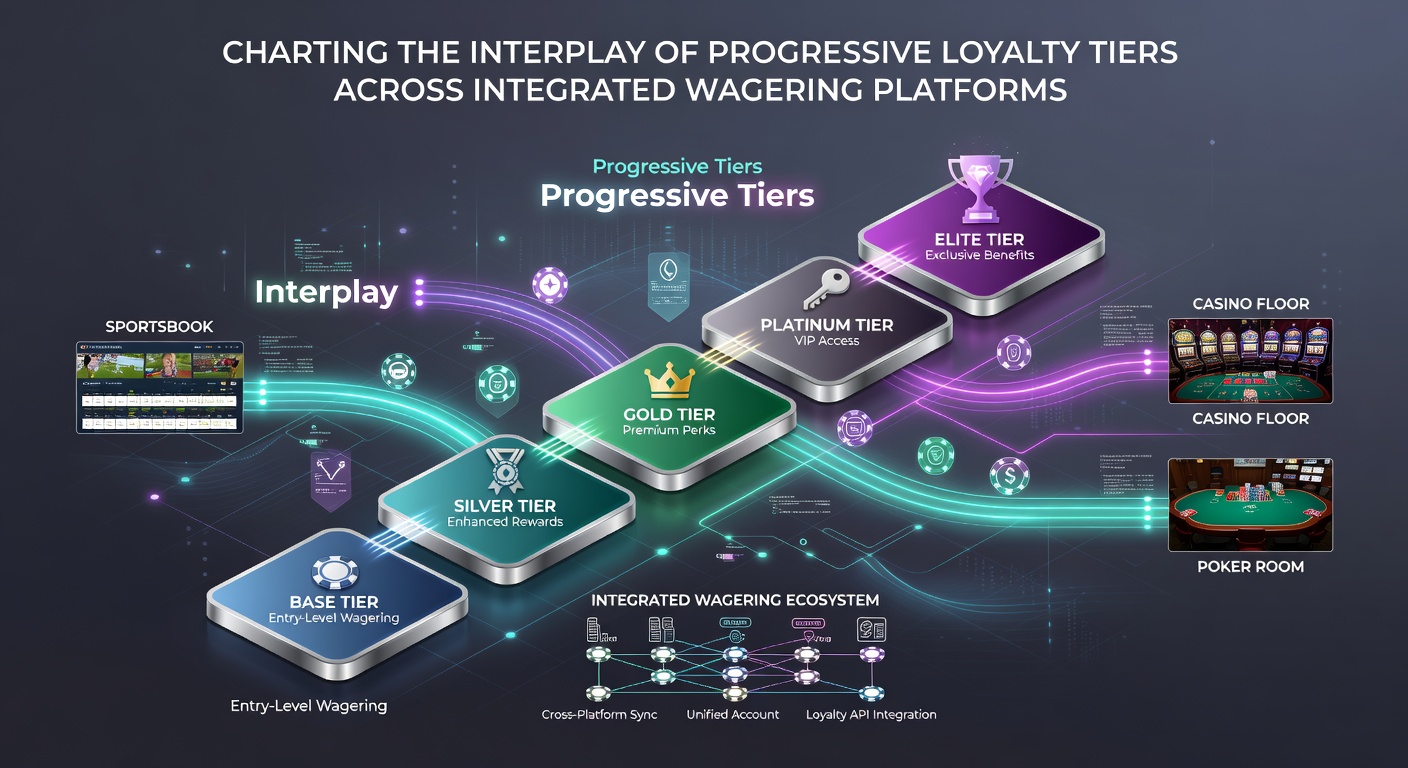
Progressive tiers typically begin at entry levels such as bronze or standard membership and advance through silver, gold, and platinum designations based on cumulative wagering volume or deposit frequency. Higher tiers unlock graduated benefits including enhanced cashback percentages, priority customer support queues, and access to tailored promotional events that operate independently of standard welcome offers.
How Integration Changes Tier Progression
Integrated platforms use centralized player accounts that synchronize activity data in real time, so a user placing bets on one site sees immediate updates to their overall tier standing across affiliated domains. This synchronization reduces friction that once forced separate tracking on isolated apps or websites, and it enables operators to offer cross-platform rewards such as bonus spins available only after reaching a combined activity threshold.
Data from industry reports indicates that these systems emerged more prominently after 2020 as operators consolidated technology stacks to manage rising operational costs. Users who maintain consistent activity across linked sites often reach platinum status faster than those restricted to single-platform play, because the combined metrics accelerate qualification for each successive tier.
Benefits and Mechanics at Each Level
Entry-level tiers focus on basic point collection where every wager converts into loyalty credits at a standard rate. Mid-tier participants receive multipliers on those credits plus occasional fee waivers on withdrawals, while top-tier members gain invitations to exclusive tournaments and personalized odds adjustments that reflect their overall engagement history.
Turnover requirements attached to tier benefits vary by region, with some markets mandating minimum activity windows before rewards activate. Observers note that integration has made it easier for platforms to adjust these windows dynamically based on user behavior patterns collected across the network rather than from isolated sites.
Market Shifts Influencing Loyalty Design
Changes scheduled for May 2026, including planned closures of select retail betting locations, have prompted operators to strengthen digital loyalty connections as a retention tool. With fewer physical outlets available, platforms emphasize seamless tier movement between mobile and desktop environments to keep users engaged within the integrated network.
Regulatory bodies in different regions have examined these systems for fairness in point valuation and redemption processes. A study published by the International Center for Responsible Gaming examined how unified loyalty ledgers affect player decision-making across borders, while data compiled by the Alcohol and Gaming Commission of Ontario highlighted variations in tier qualification speeds when multiple operators share backend infrastructure.
Technical Requirements for Seamless Operation
Successful integration depends on secure API connections that transmit encrypted activity logs between platforms without exposing sensitive financial details. Operators must also align their responsible gambling tools so that tier-related communications respect self-exclusion lists active on any single site within the network.
Those who have reviewed these frameworks point out that real-time reconciliation of points across jurisdictions requires substantial investment in compliance monitoring, yet the resulting user retention metrics have justified continued development for many large operators.
Conclusion
Progressive loyalty tiers within integrated wagering platforms represent a structural shift toward unified player management that tracks engagement across multiple environments. As market adjustments continue into 2026, these systems are expected to refine their synchronization methods while maintaining compliance with regional rules that govern reward distribution and player protection measures.