Examining Cashback Thresholds and Their Influence on Betting Stake Adjustments in Real-Time Markets
Harper Peters · May 29, 2026
Examining Cashback Thresholds and Their Influence on Betting Stake Adjustments in Real-Time Markets
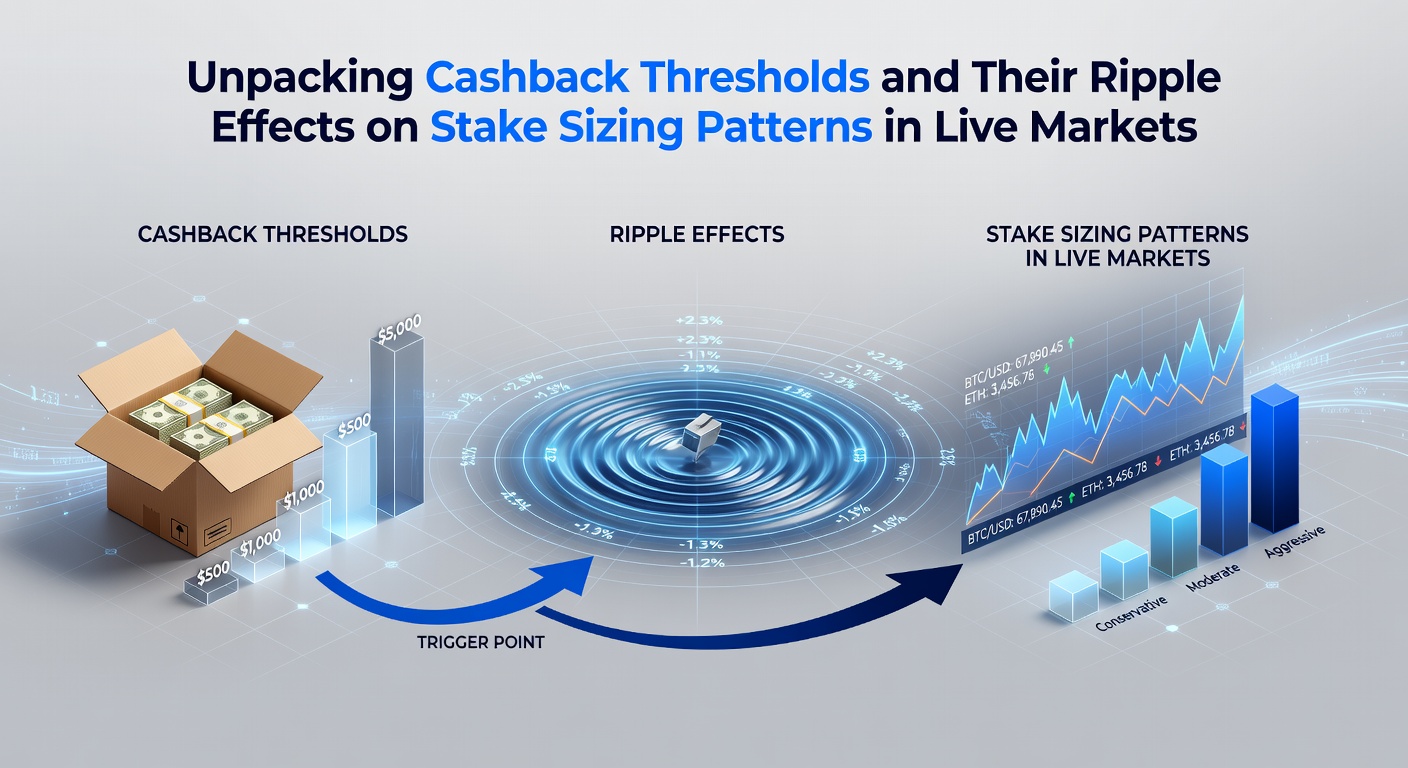
Cashback thresholds operate as minimum loss or activity levels that unlock partial refunds on wagers, and these structures directly shape how bettors calibrate their stake sizes during live events. Operators set these benchmarks to manage payout exposure, while participants respond by scaling bets upward or downward to reach the required figures within a session. Data from multiple wagering platforms shows that once a threshold approaches, average stake increments rise by noticeable margins in football and tennis markets where in-play odds fluctuate rapidly. Live markets introduce unique timing pressures because odds update continuously and sessions often last under an hour. Bettors frequently adjust position sizes in smaller increments at first, then accelerate toward the cashback target once remaining time narrows. This pattern appears consistently across European and North American exchanges according to aggregated transaction records released by the European Gaming and Betting Association. The result is a clustering effect where stake volumes spike in the final minutes before thresholds reset at the end of promotional periods.How Threshold Structures Interact With Real-Time Decision Making
Thresholds typically range from modest loss amounts to higher activity targets that span multiple events. When operators introduce tiered cashback, such as 5 percent on losses above £100 and 10 percent above £250, bettors demonstrate clear shifts toward larger individual stakes to cross into the higher refund band. Observers tracking these behaviors note that the adjustment often occurs within the first 15 minutes of a live match, before momentum or score changes alter perceived value. Research conducted by the University of Nevada, Las Vegas International Gaming Institute indicates that participants who monitor running loss totals increase average stake size by roughly 18 percent once they near the next tier boundary.
Stake sizing also responds to the frequency of cashback calculations. Platforms that update thresholds after every settled market encourage steadier increments, whereas those that aggregate across an entire day produce more pronounced end-of-session surges. In basketball live markets, where quarters create natural reset points, data shows bettors concentrate larger wagers in the final two quarters when daily thresholds remain unmet. This behavior aligns with broader patterns documented in transaction logs from regulated operators in multiple jurisdictions.
Observable Patterns Across Different Market Types
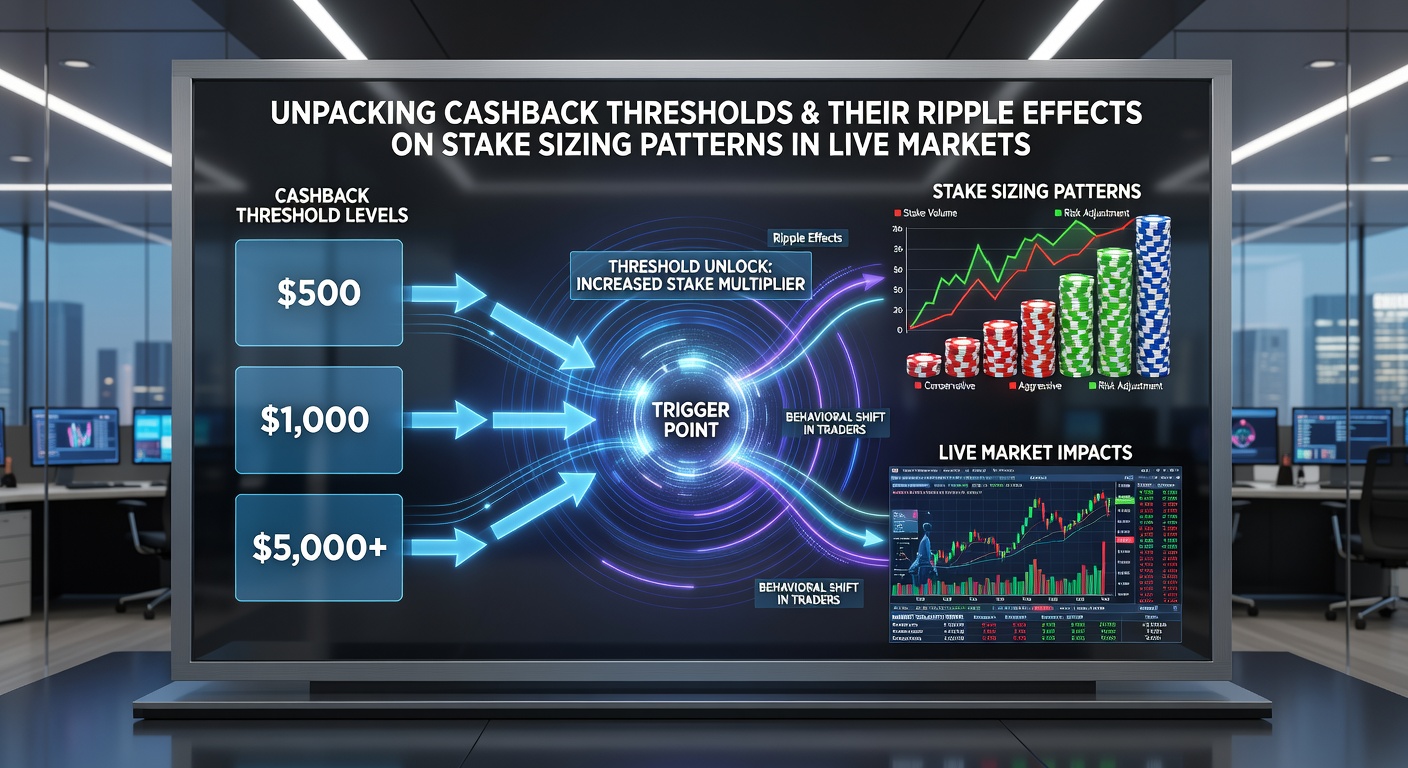
Football and tennis markets reveal the strongest responses because they offer continuous micro-markets that allow precise stake calibration. Cricket and baseball, by contrast, produce steadier stake distributions since fewer in-play options limit opportunities to fine-tune exposure. Across these variations, the common thread remains the same: participants treat the cashback threshold as a secondary objective that competes with primary betting strategy. When the two align, stake sizes stabilize. When they diverge, bettors often increase exposure to meet the refund condition even if the odds value has deteriorated.
Market liquidity further modulates these effects. Higher liquidity events permit larger stake adjustments without moving the odds, while thinner markets force bettors to spread adjustments across multiple selections. Industry reports compiled by the Nevada Gaming Control Board document similar threshold-driven stake clustering during major US sports seasons, where live betting volumes rise sharply in the final hour of popular matches once promotional cashback windows near their close.
Market Evolution and Threshold Adjustments Around 2026
Operators have begun reviewing threshold levels ahead of structural changes expected in May 2026, when several retail networks plan to reduce physical locations. This shift is projected to increase reliance on digital channels, where cashback mechanics already dominate engagement strategies. Transaction data from the preceding year shows that digital users already adjust stakes more aggressively around thresholds than retail counterparts, suggesting the transition may amplify existing patterns rather than create entirely new ones. Regulatory filings in multiple regions indicate platforms are testing dynamic thresholds that scale with individual account history, a move intended to smooth stake volatility while maintaining refund appeal.
Those who track live market data have observed that platforms introducing personalized thresholds see reduced clustering around fixed amounts. Instead, stake increments spread more evenly across sessions, although the overall volume of bets placed near the end of promotional cycles remains elevated. This adaptation demonstrates how operators respond to observed stake-sizing behaviors without altering core cashback percentages.
Conclusion
Cashback thresholds function as structural anchors that influence stake decisions in live markets through predictable timing and tier effects. Transaction records and platform data confirm that bettors systematically adjust position sizes to reach refund eligibility, with the strongest responses occurring in high-frequency in-play environments. As digital channels expand further by May 2026, these dynamics are expected to persist and potentially intensify under evolving operator strategies. The interplay between threshold design and real-time stake patterns therefore remains a measurable component of contemporary wagering activity across regulated markets.