Growing Calls Emerge for Pause on Affordability Checks as Horseracing Faces Potential Revenue Shortfalls
Casey Brooks · May 22, 2026

Growing Calls Emerge for Pause on Affordability Checks as Horseracing Faces Potential Revenue Shortfalls
Initial backers of affordability checks have joined industry voices in urging the UK Gambling Commission to delay rollout of these financial risk assessments, and the shift comes amid projections of severe annual losses reaching £250 million for British horseracing alone. Observers note that bettors reluctant to share detailed financial information might either reduce activity or migrate toward unregulated black-market operators, which creates ripple effects across regulated sectors. The measures were originally designed with high-risk products such as online slots and casinos in mind rather than lower-harm forms like racing or sports betting, yet teh scope has broadened in ways that now affect wider participation patterns.
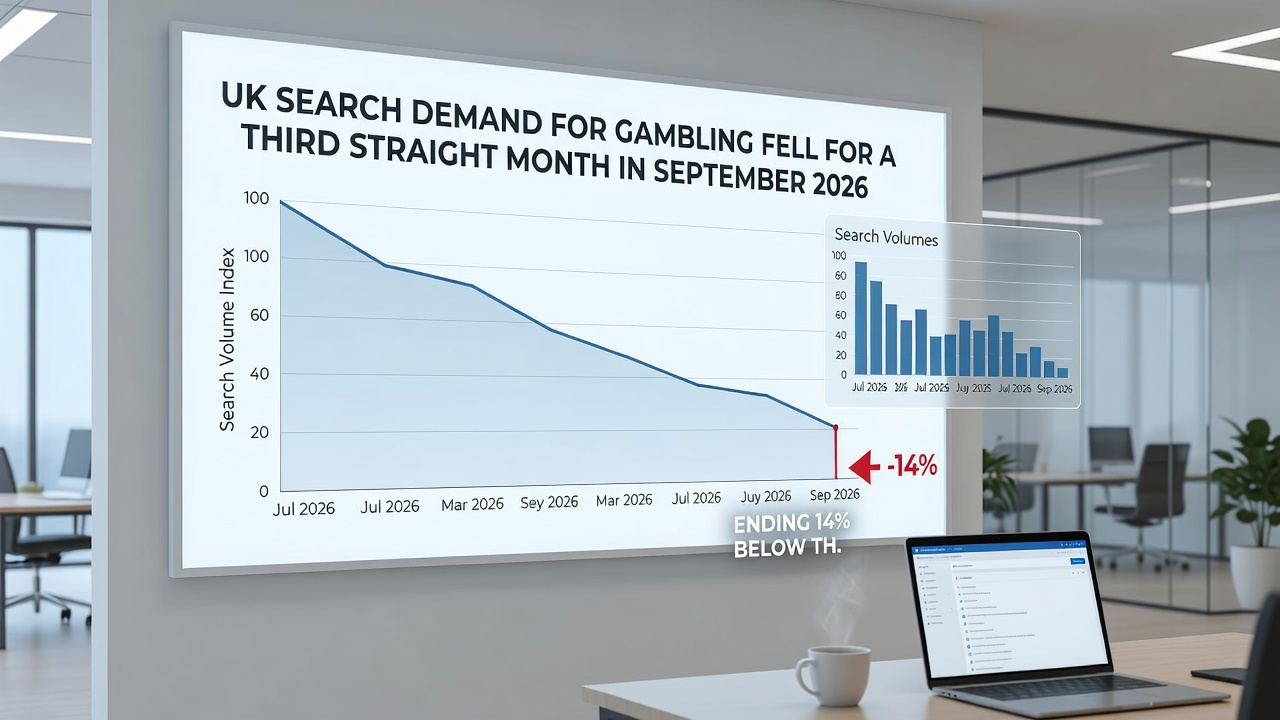
Data from recent participation surveys shows steady engagement levels across various gambling formats, and this context makes the proposed pause particularly timely as regulators prepare for their next board meeting in May 2026. Those who've followed the development closely point out that the checks aim to identify customers who might be spending beyond their means, but implementation details have sparked debate even among former supporters who once viewed the framework as a necessary safeguard.
Background on the Proposed Measures
The UK Gambling Commission developed affordability checks to strengthen player protection protocols, and these tools require operators to evaluate financial circumstances for customers placing larger bets or showing signs of elevated risk. Proponents initially supported the approach because it targeted products with higher harm potential, whereas racing and sports betting were seen as carrying comparatively lower risks based on existing evidence. Yet as planning advanced, the framework expanded in scope, which prompted some early advocates to reconsider the pace of introduction.
Figures reveal that British horseracing contributes significantly to the economy through betting turnover, employment, and related activities, so any substantial drop in wagering volumes would carry consequences beyond the track itself. Experts have observed that requiring personal financial disclosures at the point of betting could deter casual participants who prefer privacy, and this hesitation might accelerate shifts toward offshore or illegal platforms where such checks do not apply.
Concerns Raised by Original Supporters
Some of the same groups that endorsed affordability checks at the outset now advocate for a temporary halt, and they cite the risk of driving activity underground as a primary factor. According to statistics on gambling participation, many users engage responsibly across multiple formats without triggering harm indicators, which suggests a more targeted rollout could achieve similar protective goals with less disruption. Those monitoring the situation note that black-market operators often lack any responsible gambling tools, so increased migration there would undermine the very objectives the checks were meant to support.
The planned board meeting scheduled for May 2026 will address final approvals, and stakeholders from racing and betting industries have submitted formal objections highlighting the £250 million annual revenue estimate. Observers point out that this figure represents not only direct betting losses but also secondary effects on prize money, breeding programs, and event sponsorships that sustain the sport's infrastructure.
Potential Impacts on Regulated Markets
Implementation without adjustment could prompt bettors to avoid regulated platforms altogether, and this outcome would reduce oversight opportunities that currently exist through licensed operators. Researchers have tracked similar patterns in other jurisdictions where strict verification requirements led to measurable declines in legal market share. The original focus on high-risk products like online casinos allowed lower-harm activities such as racing bets to continue with lighter touch measures, yet the current trajectory applies uniform standards that many view as mismatched to the risk profile.
Those who've studied participation trends indicate that racing audiences often include older demographics who value simplicity and tradition, and introducing financial data requests mid-transaction might feel intrusive enough to reduce frequency of play. This dynamic matters because horseracing relies on consistent betting volumes to maintain its competitive structure, including funding for smaller tracks and grassroots events that support broader industry health.
Regulatory Timeline and Next Steps
The Gambling Commission continues preparations for its May 2026 board session, where members will review feedback and determine whether adjustments to the rollout schedule are warranted. Proponents of a pause argue that additional consultation could refine the checks to better distinguish between product types, preserving protections where they matter most while avoiding unintended consequences in lower-risk areas. Evidence from prior regulatory changes shows that phased introductions tend to generate higher compliance rates and fewer market distortions compared with abrupt full-scale launches.
Industry representatives have compiled data illustrating how revenue shortfalls would propagate through the supply chain, affecting not only bookmakers but also trainers, jockeys, and venue operators who depend on betting-derived income streams. The Commission has acknowledged these submissions, and the upcoming meeting provides an opportunity to weigh competing priorities before final decisions take effect.
Conclusion
The debate surrounding affordability checks has evolved since their initial proposal, and the emergence of support for a pause reflects growing recognition that careful calibration remains essential. Projections of £250 million in annual losses for horseracing underscore the stakes involved, while concerns about black-market shifts highlight potential setbacks for overall player protection goals. As the May 2026 board meeting approaches, stakeholders across sectors continue to present evidence aimed at shaping an approach that balances regulatory intent with market realities, and the outcome will influence betting patterns for years ahead.