How Verification Processes Unlock Access to Enhanced Wagering Incentives
Mia Wagner · Jul 8, 2026
How Verification Processes Unlock Access to Enhanced Wagering Incentives
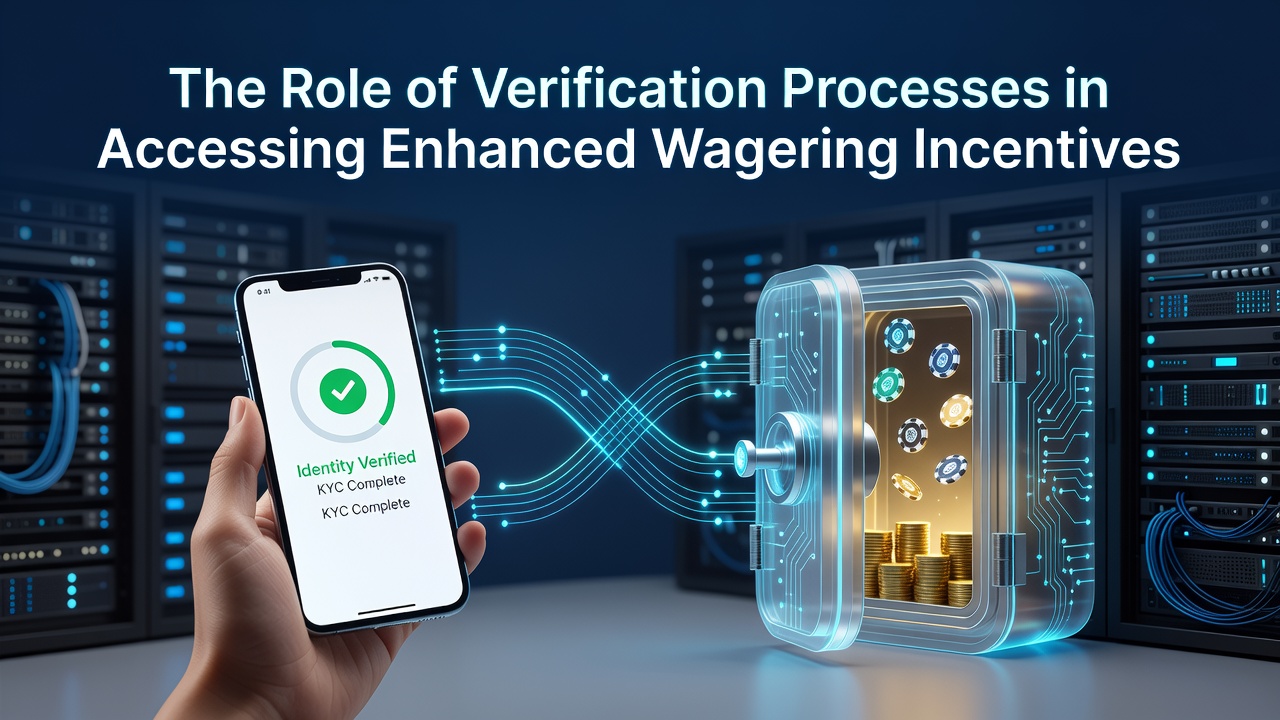
Account verification stands as a foundational requirement that operators impose before releasing enhanced wagering incentives such as matched deposits, odds multipliers, and loyalty rewards. Regulatory frameworks across multiple jurisdictions mandate these checks to confirm user identity, prevent fraud, and ensure compliance with anti-money laundering rules, while data from industry reports shows that platforms complete millions of such verifications annually. Operators typically initiate the process at account registration or when a user attempts to claim promotional offers. Users submit government-issued identification, proof of address, and sometimes payment method details, after which automated systems cross-reference the information against external databases. This sequence allows platforms to activate full account functionality including access to layered incentives that remain unavailable to unverified profiles.Core Components of Verification Protocols
Verification encompasses several distinct stages that together create a layered authentication structure. Initial email and phone confirmation give way to document submission, followed by biometric checks or live video calls in higher-risk cases. Research indicates that streamlined digital verification reduces average processing times to under 24 hours for most applicants, whereas manual reviews can extend to several days when discrepancies arise.
Payment verification adds another layer because operators must match funding sources to the registered identity. Those who complete this step gain eligibility for recurring rewards such as reload bonuses and cashback programs, whereas incomplete profiles encounter restrictions that limit participation in promotional campaigns.
Regulatory Drivers Behind Verification Requirements
Legislation in regions including parts of the European Union and Australia requires operators to perform customer due diligence before disbursing any value-bearing offers. The European Gaming and Betting Association has documented how standardized verification reduces instances of underage access and multiple account abuse, thereby protecting both consumers and licensed operators. Similar frameworks in Canadian provinces emphasize the same safeguards, linking verified status directly to the release of enhanced incentives.
Impact on Incentive Accessibility
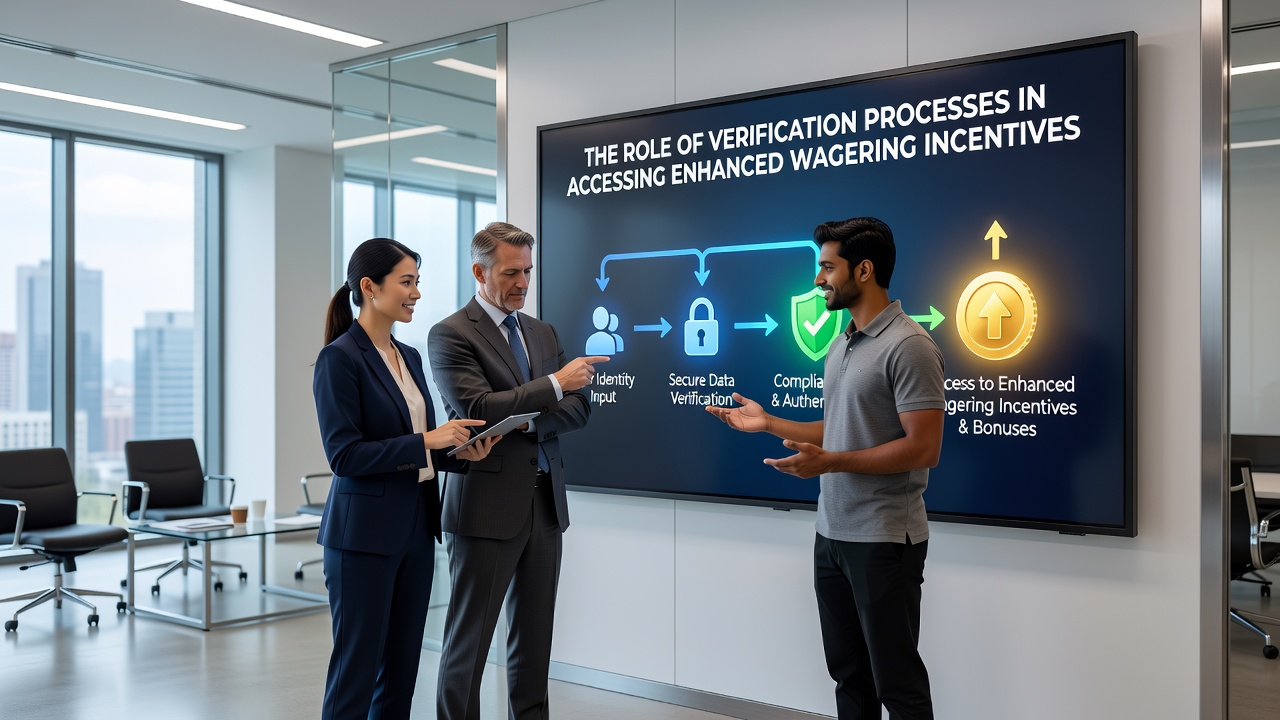
Operators structure most enhanced wagering offers so that full verification serves as the trigger for release. A user who deposits funds but skips document submission often finds the matched portion of a welcome offer held in a pending state until verification clears. This approach aligns with findings from academic studies on gambling behavior, which show that verified accounts exhibit lower rates of promotional abuse and higher long-term retention.
Seasonal campaigns scheduled around major sporting events, including those planned for July 2026, frequently include time-limited incentives that demand completed verification well in advance. Participants who delay the process risk missing the window entirely because operators close eligibility once the promotional period begins.
Common Challenges and Resolution Pathways
Discrepancies between submitted documents and database records represent the most frequent cause of delays. Name variations, recent address changes, or expired identification can trigger additional manual review. Industry analysts note that users who proactively upload clear, current copies of documents experience faster approvals and earlier access to stacked incentives such as combined deposit matches and odds boosts.
Third-party verification services now integrate with many platforms, allowing real-time validation that further accelerates the process. These services cross-check against credit bureaus and government registries, reducing the need for repeated submissions while maintaining compliance standards.
Future Developments in Verification Technology
Advancements in artificial intelligence and blockchain-based identity solutions continue to reshape verification timelines. Platforms testing these technologies report verification completion rates exceeding 90 percent within minutes for returning users, which in turn expands the pool of participants eligible for enhanced wagering incentives. Observers tracking regulatory trends expect further harmonization of verification standards across jurisdictions by late 2026, potentially simplifying cross-border account management for frequent bettors.
Conclusion
Verification processes function as the operational gate that determines whether users can activate and sustain access to premium wagering incentives. By combining regulatory compliance with fraud prevention measures, these protocols create a structured pathway that operators and users alike must navigate. Data from multiple regulatory regions demonstrates that completed verification correlates directly with successful redemption of layered rewards, making the procedure an integral component of modern wagering ecosystems.