Mapping Cross-Platform Incentive Timelines to Sustain Extended Wagering Engagement
Casey Brooks · May 20, 2026
Mapping Cross-Platform Incentive Timelines to Sustain Extended Wagering Engagement
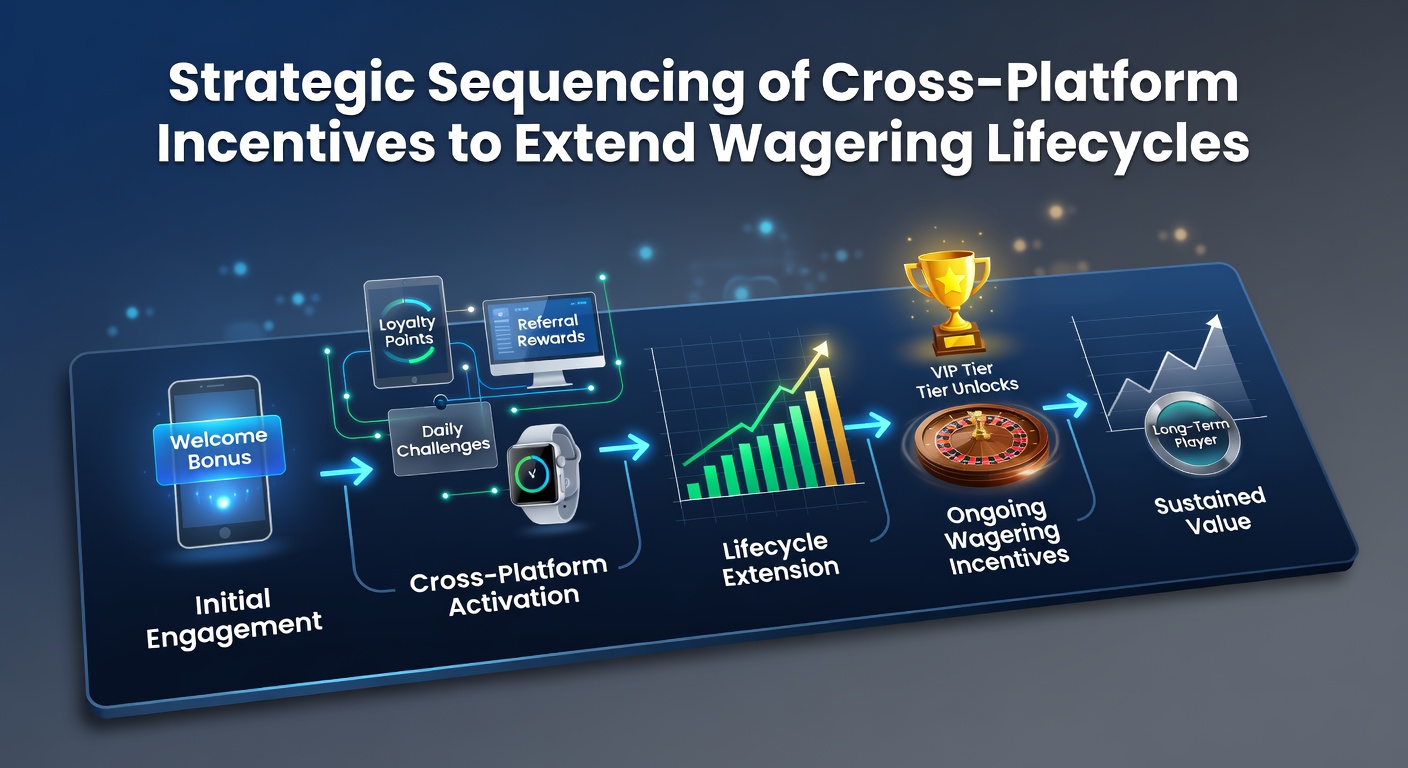
Operators have begun aligning reward releases across multiple channels so that one platform's offer feeds directly into another's activation window, and this approach stretches average account activity well beyond the typical single-site pattern. Data from the Australian Gambling Research Centre shows participation cycles lengthen when users receive staggered prompts that move them from app-based free plays to desktop accumulator boosts within a 72-hour window.
Core Elements of Timed Cross-Platform Flows
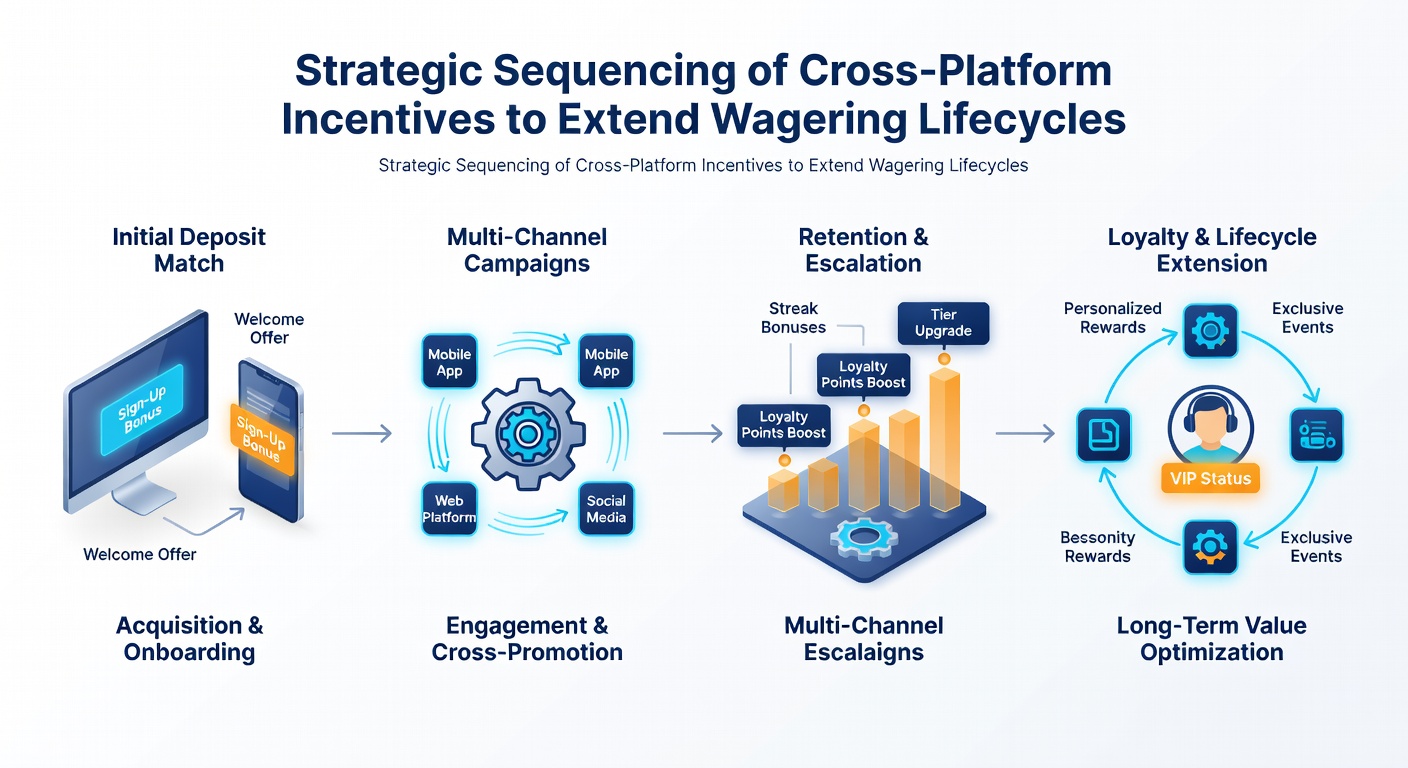
Sequencing starts with an entry-level trigger such as a low-risk stake credit delivered on mobile, then shifts to a desktop odds enhancer that only unlocks after the initial credit clears, while a retail terminal kiosk code appears once the desktop step completes. Researchers at the University of Nevada's International Gaming Institute note that these chained releases reduce drop-off rates because each step refreshes the perceived value before the previous reward fully expires.
Platforms coordinate through shared user identifiers and real-time APIs so the second incentive becomes visible only after the first has been claimed or the time gate passes. This prevents overlap that could dilute urgency and instead creates a continuous forward momentum across devices.
Adjustments Around 2026 Retail Shifts
With Evoke announcing the phased closure of William Hill betting shops beginning May 2026, several operators now route former in-shop customers toward sequenced digital incentives that replicate the social and convenience aspects of physical locations. Transition packages often open with a mobile deposit match followed by a desktop live-streaming credit and conclude with a loyalty tier upgrade that activates only after both digital steps finish.
Industry observers point out that these digital sequences help maintain engagement levels as retail footprints contract, and they do so without requiring users to visit physical sites that will no longer exist after the scheduled closures.
Technical Requirements for Reliable Delivery
Successful implementation relies on unified player ledgers that track claim status across every channel in near real time. Backend systems must flag when a mobile reward has been used so the desktop layer can surface automatically, and they must also account for different regulatory windows that govern bonus validity periods in separate jurisdictions. Failure to synchronise these layers can leave users facing expired offers or duplicate prompts that break the intended flow.
Operators therefore invest in event-driven messaging that respects device preferences and local time zones, ensuring the next prompt arrives when the user is most likely to act rather than at arbitrary intervals.
Measuring Lifecycle Extension
Key performance indicators include average days between first and last wager, total unique platforms touched per account, and the ratio of bonus-driven activity to standard play. Reports compiled by the Canadian Partnership for Responsible Gambling indicate that sequenced programmes can increase the median engagement span by 18 to 25 days compared with standalone promotions that run on a single site.
Tracking also captures whether users return to earlier platforms after completing later stages, which signals successful reinforcement rather than simple migration. Operators refine the sequence order based on these return patterns, swapping desktop and mobile steps when data shows one order retains users longer than another.
Regulatory and Compliance Considerations
Each jurisdiction imposes distinct rules on bonus advertising and rollover calculations, so cross-platform sequences must embed jurisdiction-specific flags that prevent ineligible users from seeing offers. Compliance teams review the entire chain before launch to confirm that disclosure language travels with the incentive across every touchpoint.
Because sequences span multiple operators or brands within a corporate group, agreements on data sharing and audit trails become necessary to satisfy oversight bodies in each market.
Conclusion
Strategic sequencing of cross-platform incentives continues to evolve as operators respond to both technological capabilities and upcoming retail changes scheduled for May 2026. By aligning reward timing across mobile, desktop and remaining physical channels, firms create extended engagement loops that keep accounts active over longer periods without violating regulatory boundaries. Ongoing measurement and adjustment of these flows allow the industry to maintain participation levels even as traditional shop networks contract.