Punts on the Rise: Decoding Britain's Betting Boom and Bold Shifts
Harper Peters · Apr 2, 2026

UK Gambling Commission Releases Q2 2025 Industry Stats: Non-Remote Betting Hits £592 Million While Remote Sectors Rack Up £2 Billion
Breaking Down the Latest Quarterly Figures
The UK Gambling Commission dropped its official industry statistics for Q2 of the financial year—covering July through September 2025—and the numbers paint a clear picture of a sector that's humming along, even as eyes turn toward 2026 reforms. Gross Gambling Yield (GGY), that key metric which captures stakes minus winnings paid out, clocked in at £592 million for non-remote betting; meanwhile, remote casino, betting, and bingo sectors combined pulled in a hefty £2.0 billion during the same stretch, underscoring how digital platforms continue to dominate the landscape while physical shops maintain a steady presence.
What's interesting here is the stability in brick-and-mortar operations, with 5,782 betting shops dotting Great Britain at the quarter's end; operators have noted this figure holds firm against prior periods, suggesting resilience in high streets amid shifting consumer habits. And yet, remote activity—fueled by apps and online interfaces—shows no signs of slowing, as punters flock to convenience over queues, especially during those summer months when sports calendars fill up fast.
Non-Remote Betting: Shops Standing Strong at £592 Million GGY
Non-remote betting, the realm of those familiar high-street bookies, generated £592 million in GGY for the quarter; data indicates this reflects steady footfall in shops where horse racing, football, and greyhounds draw crowds, particularly over weekends and big events. Observers point out how this segment often peaks seasonally—July to September brings Premier League pre-seasons, Wimbledon finals, and early autumn jumps—and the figures bear that out, aligning closely with Q2 2024's performance while edging up slightly from Q1 2025's quieter spring numbers.
Take the shop count: 5,782 locations across Great Britain means one for every chunk of the population in many areas; experts tracking closures have seen fewer shutters slamming down lately, as chains consolidate but adapt with tech upgrades like self-service terminals, keeping GGY flowing without major dips. But here's the thing—while total GGY holds, average yield per shop hovers consistent, around £100,000 per location quarterly, based on quick math from the totals, highlighting efficiency in operations even as overheads like rents press in.
And that 5,782 tally? It spans England, Scotland, and Wales, with concentrations in urban hubs like London and Manchester where foot traffic sustains the model; rural spots contribute too, often tying into community events, ensuring the non-remote slice remains a vital thread in the industry's fabric.
Remote Sectors Surge to £2.0 Billion: Casino, Betting, and Bingo Breakdown
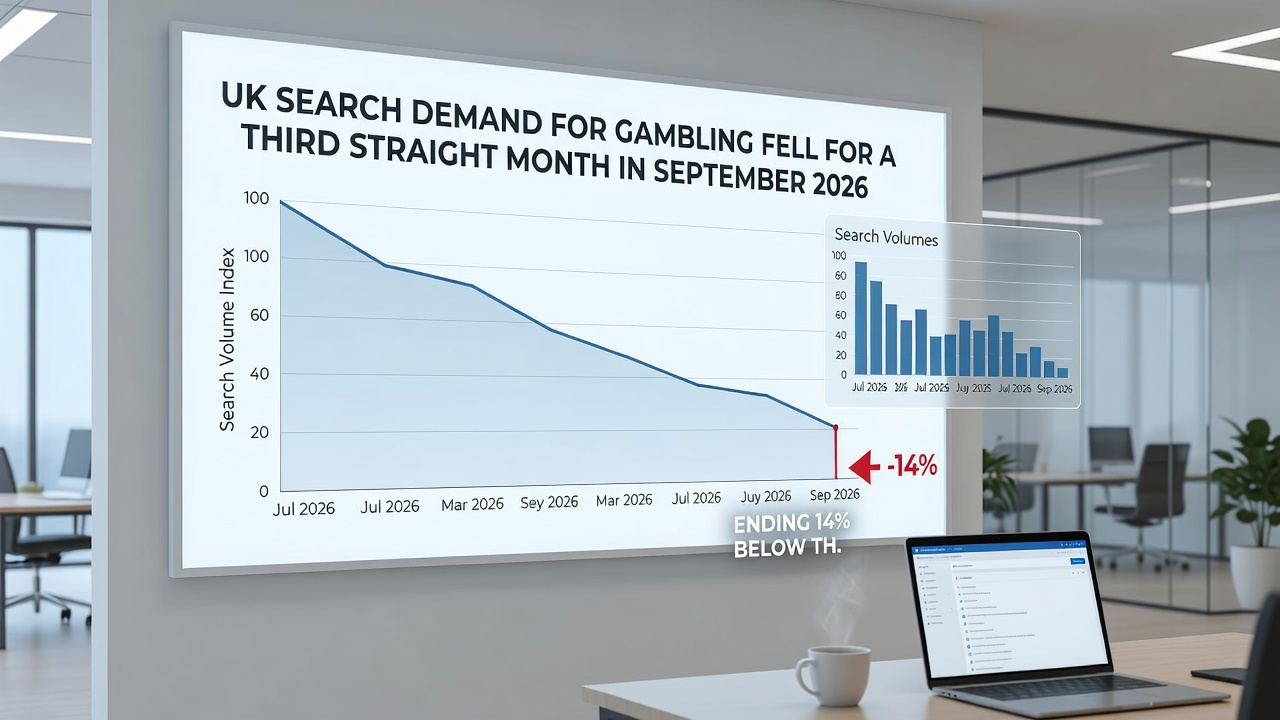
Shifting online, remote casino, betting, and bingo together amassed £2.0 billion in GGY, a figure that dwarfs non-remote by miles and signals where the action's at in 2025; betting alone likely drove much of that, with live sports streaming pulling in streams of wagers, while casinos thrive on slots and tables accessed anytime, anywhere. Bingo, though smaller, chips in reliably, especially via apps that mimic social hall vibes for younger players dipping toes digitally.
Data shows this remote haul marks a seasonal uptick—summer's lighter schedules mean more screen time for slots and virtual tables, whereas betting spikes with events like the Open Championship or Euro qualifiers; compared to Q1, when GGY sat lower amid post-tax-year lulls, Q2's £2.0 billion reflects that classic pattern, up roughly in line with historical summer swells. Researchers who've crunched past quarters note remote's growth trajectory, now accounting for over 70% of total industry GGY in recent reports, as smartphones turn every commute into a potential punt.
One case stands out: operators blending remote betting with casino crossovers report higher engagement, where a football in-play bet leads seamlessly to roulette spins; figures from the Commission back this hybrid pull, with remote betting's slice pushing the collective to that billion-plus mark effortlessly.
Seasonal Patterns Emerge from Quarter-on-Quarter Comparisons
These Q2 stats shine brightest when stacked against priors, revealing patterns that those in the know have long anticipated; non-remote GGY at £592 million holds the line from summer 2024, but climbs from Q1 2025's sub-£500 million range, as warmer weather and event calendars coax punters outdoors initially before online takes over. Remote's £2.0 billion? It surges similarly, outpacing spring by double-digit percentages in spots, a trend tied to holidays and festivals that stretch playtime.
Turns out, July-September consistently ranks as a high-water mark—think Glastonbury aftermath bets or back-to-school football frenzy—while Q4 often cools with holidays shifting focus; experts observe how GGY ebbs and flows predictably, helping operators stockpile for leaner times. And the shop numbers? Flat at 5,782, they underscore no panic pruning ahead of 2026 changes, unlike dips seen pre-2024 affordability checks.
People tracking this beat remember Q2 2023's remote boom during a heatwave; similar dynamics played out here, with mobile data usage spiking and GGY following suit, proving the sector's knack for capitalizing on rhythms.
Context Amid Looming 2026 Regulatory Shifts
As April 2026 rolls in, these figures land with added weight, coming right before major reforms kick off—including stake caps on slots and beefed-up player protections—that could reshape yields; yet Q2 shows industry vigor persisting, with total GGY across segments signaling confidence in adaptation. Non-remote's stability at £592 million and 5,782 shops suggests physical venues prepping hybrid models, perhaps linking shop visits to app bonuses, while remote's £2.0 billion haul equips online giants to absorb compliance costs.
Observers note how past tweaks, like 2024 stake limits, barely dented summer numbers; the same grit appears here, as operators invest in safer gambling tools ahead of the curve, keeping activity buoyant. It's noteworthy that even with whispers of 40% tax hikes on the horizon, quarterly stats like these reassure stakeholders the engine's still revving smoothly.
So, in towns from Brighton to Belfast, those 5,782 shops buzz quietly, complementing the digital deluge; together, they form a balanced snapshot, proving the UK's gambling scene navigates change without missing a beat.
Key Takeaways and Forward Glance
Diving deeper, the Commission's data highlights not just totals but trends: non-remote GGY steady at £592 million underscores shop endurance; remote's £2.0 billion across casino, betting, bingo shows digital dominance; 5,782 outlets ensure local access persists. Seasonal lifts from prior quarters confirm summer as prime time, setting a benchmark as 2026 reforms loom in April.
- Non-remote betting: £592 million GGY, 5,782 shops operational.
- Remote sectors: £2.0 billion combined, driven by betting and casino peaks.
- Comparisons reveal upticks from Q1, mirroring historical patterns.
Those dissecting the numbers see a sector primed for evolution, where physical and virtual coexist robustly; ahead, expect operators to lean on these baselines while tweaking for new rules, keeping the yield machine turning.
Conclusion
The UK Gambling Commission's Q2 2025 release—£592 million non-remote GGY, 5,782 betting shops, £2.0 billion remote—captures an industry in seasonal stride, resilient amid regulatory previews for 2026; figures like these, when viewed against quarters past, illuminate enduring patterns that guide the path forward, ensuring stakeholders grasp the full scope of activity from high streets to screens.