Synchronizing Cashback Cycles with Rugby Union Fixture Windows
Katja Perry · Nov 23, 2026
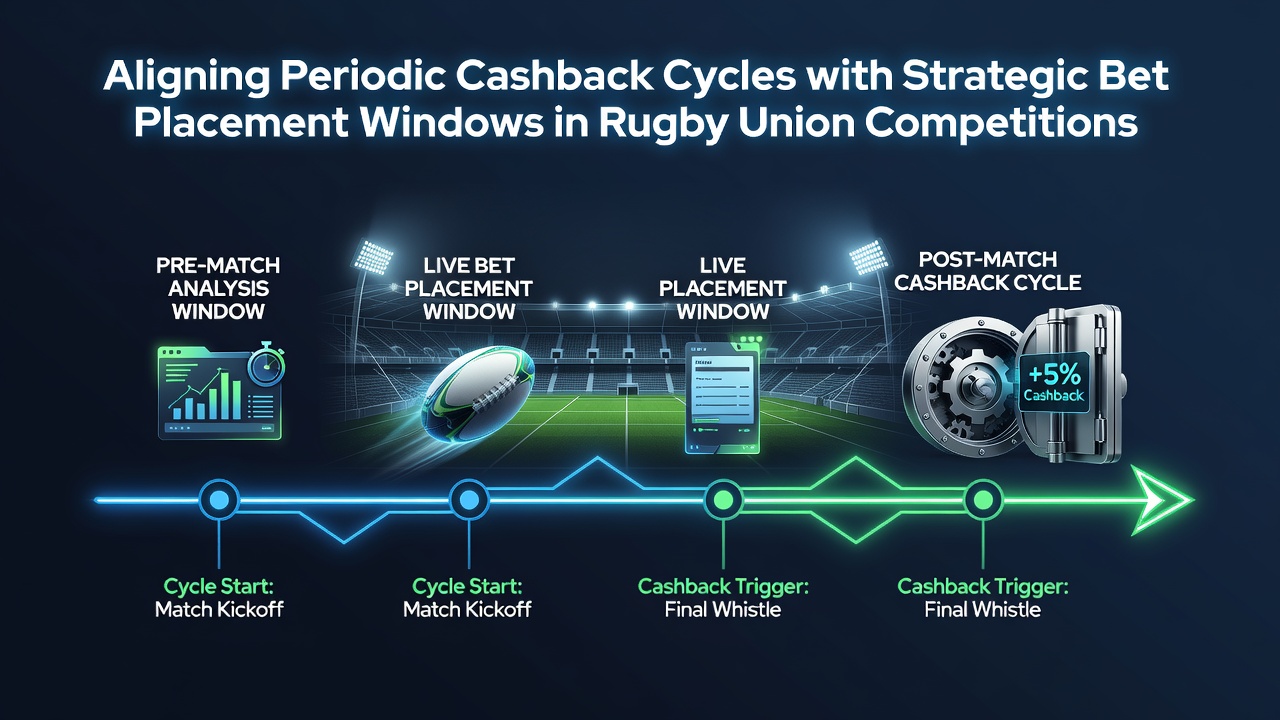
Synchronizing Cashback Cycles with Rugby Union Fixture Windows
Rugby union competitions unfold across structured seasons that include domestic leagues such as the Premiership and international events like the Six Nations plus the Rugby Championship, and these calendars generate predictable fixture clusters where bet placement opportunities concentrate around key matches while periodic cashback cycles from operators follow recurring weekly or monthly resets that align with those clusters when tracked carefully.
Fixtures in November often cluster during the Autumn Nations Series, and in November 2026 this window features multiple high-profile tests that coincide with many operator cashback periods resetting at month-end, creating overlap points where placement timing can match the cycle close without requiring separate tracking efforts.
Fixture Patterns and Cycle Overlaps
Domestic leagues run from September through May with midweek and weekend rounds that repeat every seven to fourteen days, whereas international windows compress into shorter blocks of three to five matches, and observers note that cashback programs frequently reset on the first or fifteenth of each month or after every seven active days of account activity, so alignment involves mapping those resets onto the denser parts of the fixture list such as the cluster of games around late October into early November.
One study from the Australian Gambling Research Centre examined transaction timing across multiple sports and found that participants who placed wagers within forty-eight hours of a cashback reset date recorded higher retention of promotional balances across rugby union events compared with placements made mid-cycle.
Strategic Placement Approaches Across Competitions
Placement strategies begin with identifying the start and end dates of each cashback period, then cross-referencing those against confirmed kickoff times for major fixtures, and this process extends to multi-week tournaments where early-round matches can serve as entry points while later knockout stages fall near cycle conclusions.
Operators publish terms that specify minimum stake thresholds and eligible markets, so those who review the conditions before each window can route wagers toward rugby union lines such as match winner or handicap that satisfy the requirements without altering the core approach.
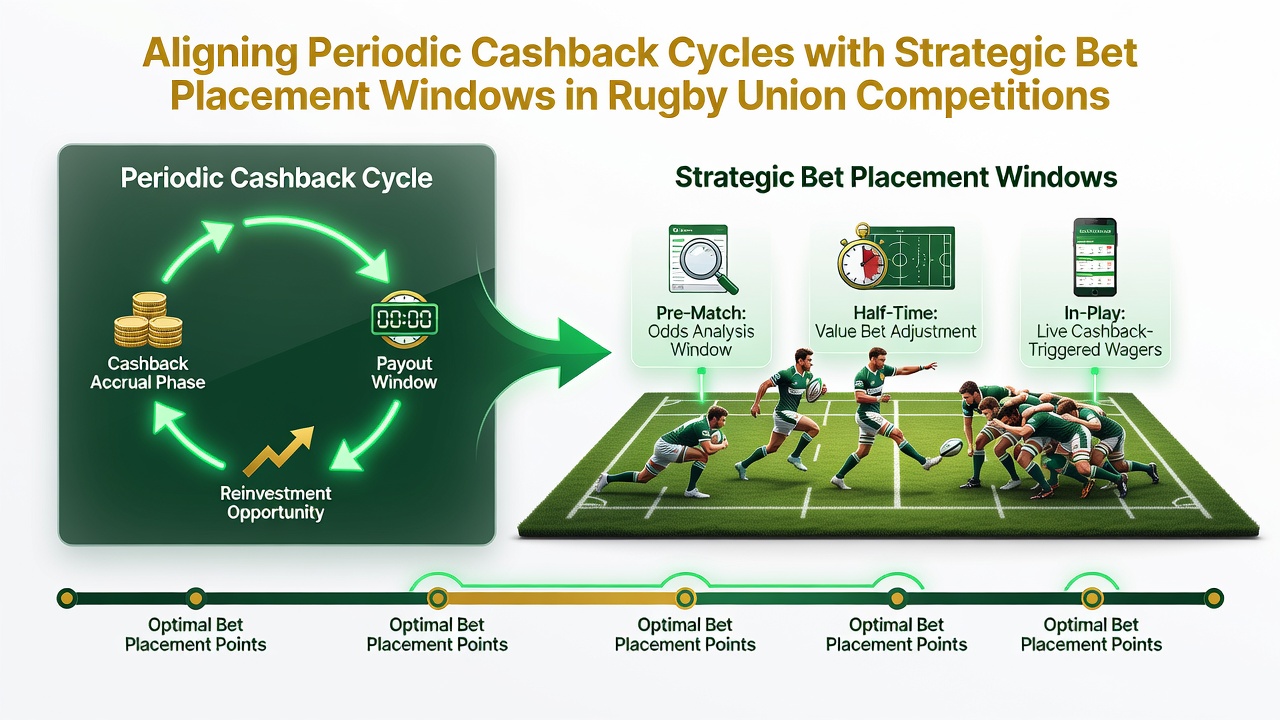
International tours add another layer because travel schedules and venue changes sometimes shift kickoff times by several hours, yet the underlying cashback calendar remains fixed, and researchers at the National Center for Responsible Gaming documented similar patterns in other team sports where advance notice of fixture adjustments allowed participants to adjust placement timing within the same cycle.
Data Sources on Timing Trends
Figures from the European Gaming and Betting Association indicate that rugby union accounts for a growing share of sports wagering volume during autumn international windows, and those volumes peak in the final ten days of each month when many cashback cycles conclude, suggesting a natural convergence that does not require additional promotion layers.
Placement within the final forty-eight hours before a cycle reset often captures the full cashback amount on qualifying stakes, whereas earlier placements risk carrying over into the next period and diluting the effective return.
Conclusion
Rugby union competition calendars provide recurring anchor points that intersect with operator cashback schedules at multiple points each season, and participants who map fixture lists against cycle dates can coordinate placement timing accordingly across both domestic and international events. Data from independent research bodies supports the observation that such coordination follows directly from published schedules rather than from any external adjustment.