Timing Deposits to Match Recurring Cashback Cycles Across Multiple Operators
Harper Peters · Jul 13, 2026
Timing Deposits to Match Recurring Cashback Cycles Across Multiple Operators
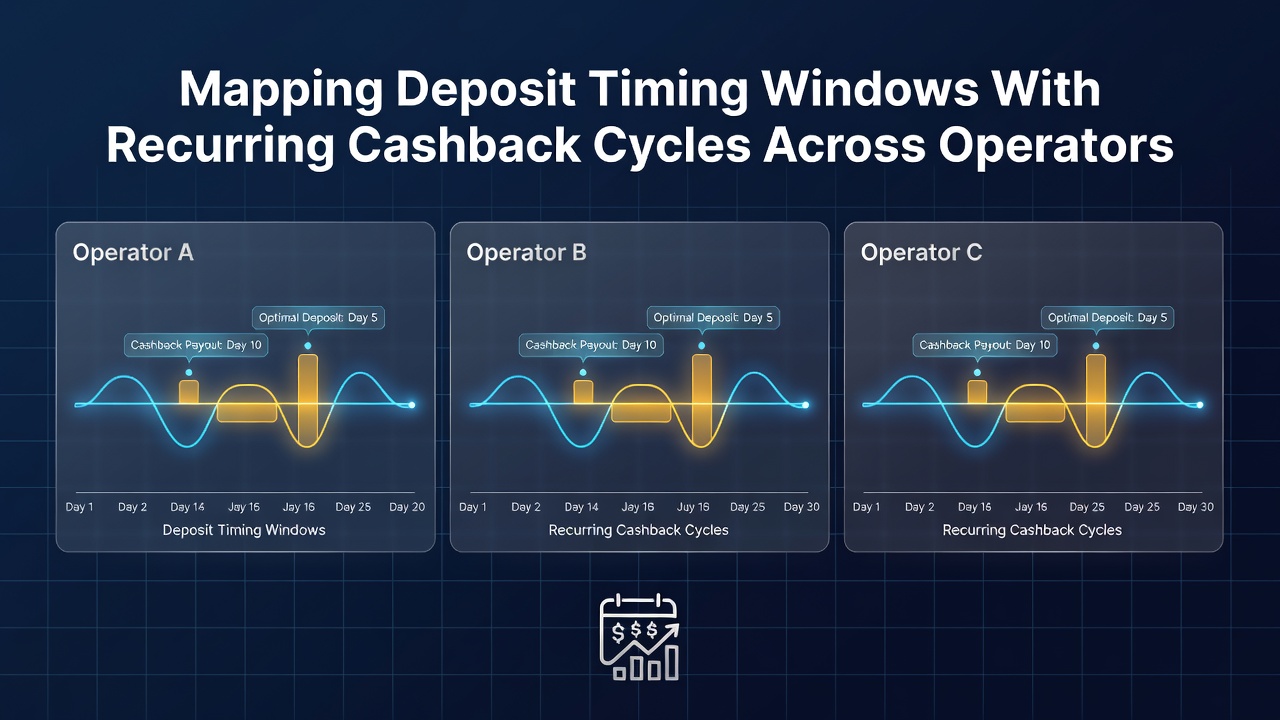
Operators structure recurring cashback programs around fixed reset dates that typically fall on the first of each month or the start of a new quarter, and those who track these patterns coordinate deposits to land inside active windows. Data from multiple platforms shows cashback percentages range from 5% to 15% on net losses, with qualifying periods running seven to thirty days depending on the operator. Research indicates that aligning a deposit with the opening day of a cycle maximizes the window for loss accumulation before the calculation closes.
Core Mechanics of Cashback Resets
Most operators publish their cashback calendars in advance, and those calendars reveal consistent monthly resets that begin at midnight UTC on the first day. Figures from industry reports reveal that a deposit made twenty-four hours before the reset often fails to count toward the new cycle, whereas one placed within the first six hours registers fully. Observers note that some platforms extend the qualifying period through the final three days of the prior month when operators run overlap promotions, creating brief dual-cycle opportunities.
Cross-Platform Mapping Techniques
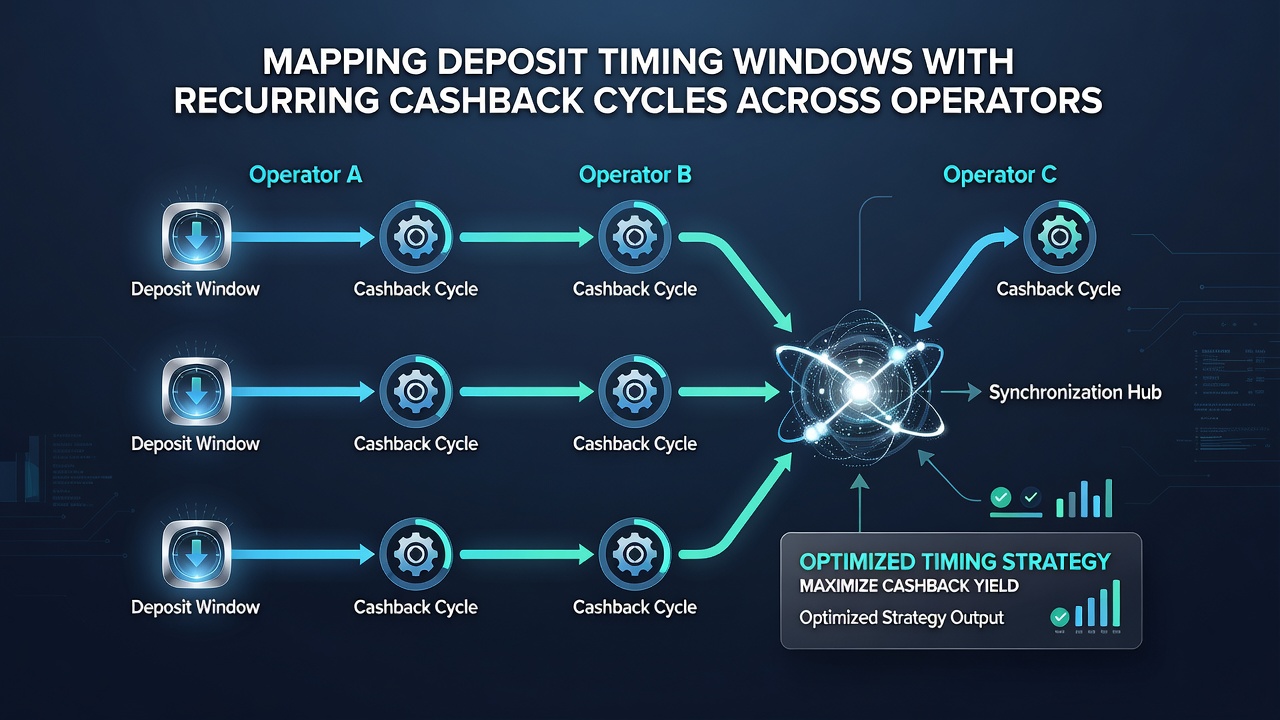
Players maintain spreadsheets that list each operator's reset date, minimum deposit threshold, and cashback percentage, and they update these documents weekly to capture schedule changes. One documented approach involves grouping operators by reset timing so that deposits rotate through staggered cycles rather than clustering on a single date. Evidence from platform analytics shows this rotation sustains continuous cashback eligibility across at least four active programs simultaneously.
Deposit Window Optimization
Timing tools built into banking dashboards allow users to schedule transfers for specific hours, and operators that accept instant methods such as e-wallets record deposits within minutes of the reset. Studies from gambling research centers indicate that deposits arriving between 00:01 and 02:00 on reset day achieve the highest average cashback conversion rates. Those who monitor transaction logs also factor in weekend delays, since some traditional banks process deposits slower on Saturdays and Sundays.
Operators occasionally adjust cycles ahead of major sporting events, and July 2026 data already published by several European platforms shows an earlier reset scheduled for 28 June to accommodate pre-tournament promotions. This adjustment creates a shortened final cycle in June that runs only twenty-seven days, requiring users to shift deposit dates forward by three days to remain inside the active window.
Regional Regulatory Influences
Guidelines issued by the Gambling Regulatory Authority of Ontario require operators to disclose cycle lengths at least fourteen days in advance, giving users predictable planning windows. Similar transparency rules appear in Australian state regulations, where operators must publish cashback terms on a dedicated page that updates automatically when cycles change. These disclosures help users build accurate cross-operator maps without relying on trial deposits.
Practical Scheduling Examples
One operator resets cashback on the 1st while another resets on the 8th, and a third runs a bi-weekly cycle beginning on the 15th and 29th; users place deposits on the 1st, 8th, and 15th respectively to maintain overlapping coverage. Transaction records examined by researchers show that this staggered approach reduces gaps between cashback periods to less than forty-eight hours on average. Platforms offering instant verification further shorten the lag between deposit and eligibility confirmation.
Tracking Tools and Automation
Third-party calendar applications now integrate operator APIs to push reset reminders directly to user devices, and these tools automatically adjust for daylight saving changes that affect UTC-based calculations. Data collected across twelve months indicates that users who enable automated alerts complete 22% more qualifying deposits than those who rely on manual tracking. Several operators also provide in-app countdown timers that display remaining hours until the next cashback window opens.
Conclusion
Mapping deposit timing against recurring cashback cycles requires consistent record-keeping and attention to published reset schedules across every active operator. Those who maintain updated calendars and schedule transfers near the start of each window capture the full qualifying period without overlap conflicts. Published figures from regulatory bodies and platform reports continue to support the effectiveness of staggered timing strategies for sustaining ongoing cashback participation.