UK Retail Betting Sector Confronts Licensing Reforms as Premises Numbers Keep Falling
Gisela Wagner · Aug 31, 2026

UK Retail Betting Sector Confronts Licensing Reforms as Premises Numbers Keep Falling
Political attention on the UK retail betting and gambling sector has intensified in recent months, with authorities moving away from the longstanding "aim to permit" approach when considering applications for new premises, and campaigns in places such as Brent in north-west London highlighting concerns over local impacts. Observers note that these developments occur even as national figures document a sustained reduction in betting shop numbers, which peaked at 9,128 in 2012 before dropping to 5,789 by 2025, while adult gaming centre counts have remained flat or decreased.
Changes to Licensing Approach Take Hold
Local licensing authorities have begun applying stricter criteria when reviewing requests for new betting outlets, moving beyond the previous presumption that applications should proceed unless clear objections existed. This adjustment aligns with broader efforts to address community-level concerns, particularly in boroughs where residents have raised issues about proximity to schools and high streets already hosting multiple venues. Data indicates these policy adjustments coincide with operator announcements of further site closures, including steps taken by Betfred and Evoke to reduce their physical footprints amid rising operational costs.
Campaign activity in Brent has drawn attention to patterns of gambling-related harm within specific neighbourhoods, prompting councillors to examine how existing rules balance commercial interests against resident welfare. Reports show similar discussions emerging in other urban centres, where evidence of proliferation receives scrutiny even though aggregate statistics reveal contraction rather than expansion across the retail estate.
National Trends Reveal Steady Contraction
Figures compiled over more than a decade illustrate consistent shrinkage in the number of betting shops operating nationwide, with the 2025 total representing a substantial reduction from the 2012 high point. Adult gaming centres have followed a comparable pattern of stability or modest decline, suggesting the retail sector has not experienced the unchecked growth sometimes referenced in public debate. Industry representatives point to these numbers when arguing that recent licensing shifts reflect political considerations and reputational factors more than current evidence of widespread proliferation or escalating harm at the national level.
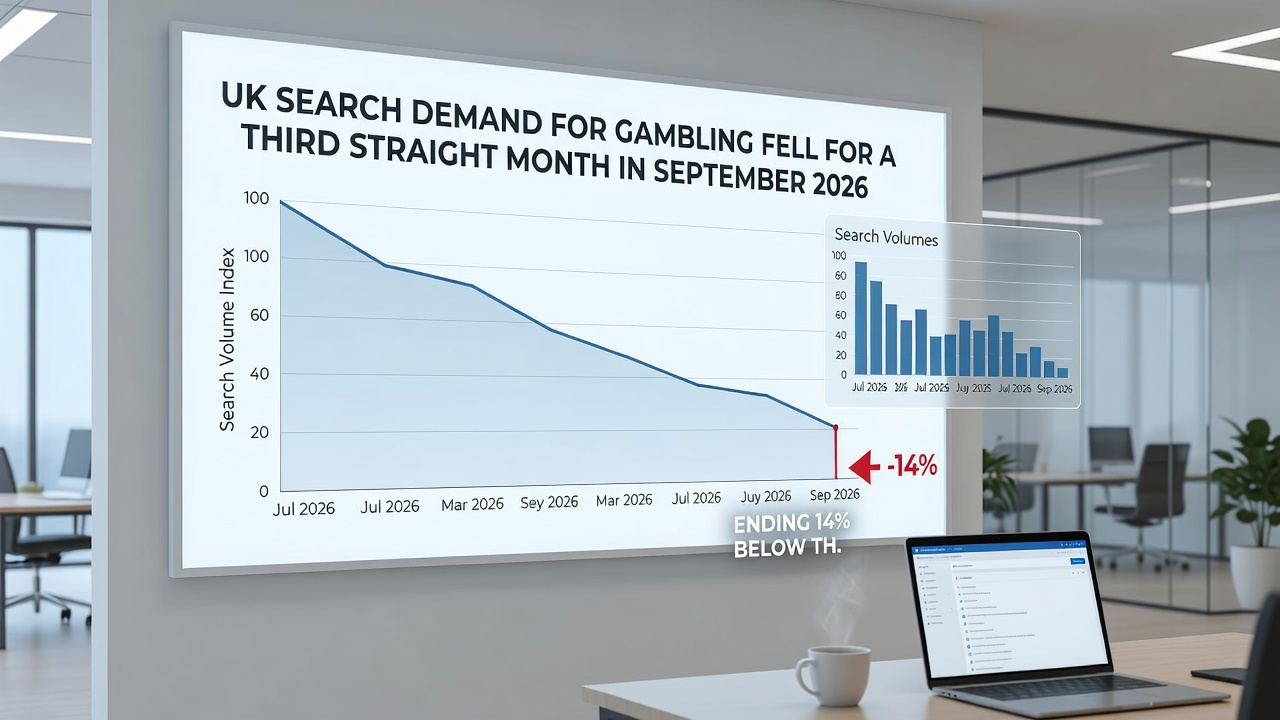
Operators have responded by accelerating consolidation plans, with multiple chains citing regulatory uncertainty and elevated compliance expenses as contributors to decisions on site viability. As of August 2026, several firms continue to evaluate portfolios, weighing remaining locations against projected returns under the revised licensing environment. Those monitoring the sector observe that the pace of closures has quickened even as overall participation metrics remain within historical ranges.
Industry Perspectives on Drivers of Change
Representatives from major operators maintain that the combination of political pressure and evolving local authority practices has created an environment where reputation management influences decisions more directly than raw data on harm or density. They reference the documented decline in premises as evidence that market forces have already produced contraction without additional regulatory intervention at the licensing stage. According to available records, this view receives support from analyses that track both betting shop and adult gaming centre counts over the same period, showing no rebound toward earlier peaks.
Local campaigns, however, continue to emphasise place-based impacts, with groups in Brent and elsewhere compiling case studies that focus on individual communities rather than nationwide aggregates. These efforts have contributed to the momentum behind the move away from the "aim to permit" principle, shifting the burden onto applicants to demonstrate stronger justification for new sites. The resulting landscape leaves operators navigating a patchwork of local attitudes while managing the logistics of an already shrinking retail network.
Conclusion
The interplay between national statistics showing fewer betting shops and adult gaming centres, alongside targeted local campaigns and adjustments to licensing standards, defines the current state of the UK retail gambling sector. Data from official sources, including those hosted on the Gambling Commission site, continues to underpin discussions about whether policy responses align with measured trends or respond primarily to political and reputational dynamics. As operators implement further closures through 2026, the sector's adaptation to these pressures remains an ongoing process shaped by both statistical evidence and localised advocacy.