UK's Digital Betting Surge: Fresh Data on Player Shifts and Market Moves
Mia Wagner · Oct 12, 2026

UK Gambling Search Demand Falls for Third Straight Month Amid Tax Adjustments
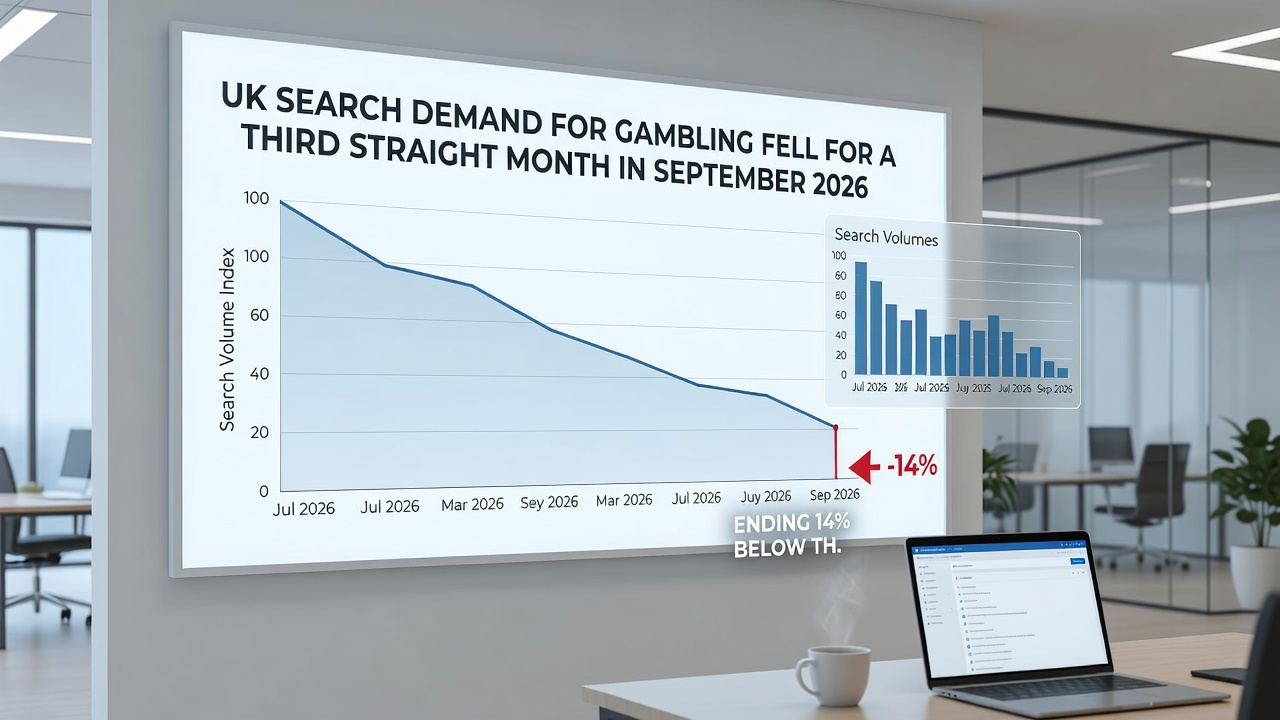
Search demand for gambling in the UK dropped for a third consecutive month during September 2026 and finished 14 percent below the same period the previous year according to figures released in October 2026. The total number of brands attracting measurable search interest climbed from 356 to 400 over that twelve-month span which shows a broader spread of visibility across the sector. Observers note that this pattern emerged after the Remote Gaming Duty increase to 40 percent took effect on April 1 2026 and the data reveals limited or negative growth across the onshore market while certain offshore operators recorded gains in both demand and projected revenue share.
Top Brands Experience Share Contraction
The three largest operators—Bet365, William Hill, and Ladbrokes—saw their combined search share decline to 26.6 percent in September 2026 from 32.3 percent one year earlier and the figure stayed below the 29 percent average recorded across all of 2026. This reduction occurred even as the overall pool of active brands expanded which indicates that demand distributed across a wider field rather than concentrating among established names. Those who track these metrics point out that the shift aligns with the higher duty rate applied to remote gaming activities and the data shows how operators outside the traditional onshore framework captured additional attention.
Offshore Operators Record Gains in Demand and Revenue Projections
Offshore and illegal brands accounted for 4.2 percent of total search demand and 14.8 percent of projected revenue during September 2026 which represents an increase from earlier levels. The same analysis indicates that these operators benefited from the tax adjustment that raised the Remote Gaming Duty to 40 percent and the figures demonstrate how revenue projections for this segment grew while the broader onshore market displayed restrained expansion. Researchers who examined the Competitive Earning Baseline metrics found that the combination of higher costs for licensed operators and sustained consumer interest created conditions where offshore activity captured a larger portion of both searches and anticipated earnings.
Market-Wide Brand Expansion and Search Distribution
The rise from 356 to 400 brands drawing search demand illustrates how visibility extended across more operators during the period under review. This expansion took place while overall search volume contracted 14 percent year over year which shows that new entrants and smaller brands secured portions of interest that previously flowed to a narrower set of players. Data compiled through proprietary search demand tools and Competitive Earning Baseline calculations highlights the way the April 2026 duty change coincided with these distribution shifts and the statistics continue to reflect the same trajectory into early October 2026 reporting cycles.
Connection Between Duty Increase and Observed Trends
The Remote Gaming Duty adjustment implemented on April 1 2026 introduced higher operational costs for licensed remote operators and the subsequent months recorded the three straight declines in search demand that culminated in the September 2026 figures. Those who analyzed the timeline note that the top three brands' combined share fell below both the prior-year level and the full-year 2026 average while offshore brands posted measurable increases in demand share and projected revenue contribution. The evidence presented in the analysis links these outcomes directly to the tax change and shows how the onshore segment experienced constrained growth whereas offshore activity expanded its footprint in both search metrics and revenue estimates.
Conclusion
The September 2026 data captures a clear redistribution of search interest and projected revenue within the UK gambling sector following the Remote Gaming Duty rise. The decline in overall demand combined with growth in the number of active brands and gains by offshore operators provides a factual record of how the market responded to the April 2026 policy adjustment. Figures released in October 2026 confirm that these patterns persisted through the third quarter and the statistics continue to serve as the primary reference point for understanding the current state of search demand across both onshore and offshore segments.