Unpacking the Relationship Between Odds Boost Offers and Long-Term User Engagement in Betting Markets
Mia Wagner · Jul 17, 2026
Unpacking the Relationship Between Odds Boost Offers and Long-Term User Engagement in Betting Markets
Data from multiple betting operators indicates that the frequency of odds boost promotions aligns with shifts in user retention patterns, particularly as platforms adjust strategies ahead of major events in July 2026. Operators track these metrics through internal dashboards that measure repeat login rates, average session duration, and deposit consistency over quarterly periods.
Tracking Frequency Patterns Across Major Platforms
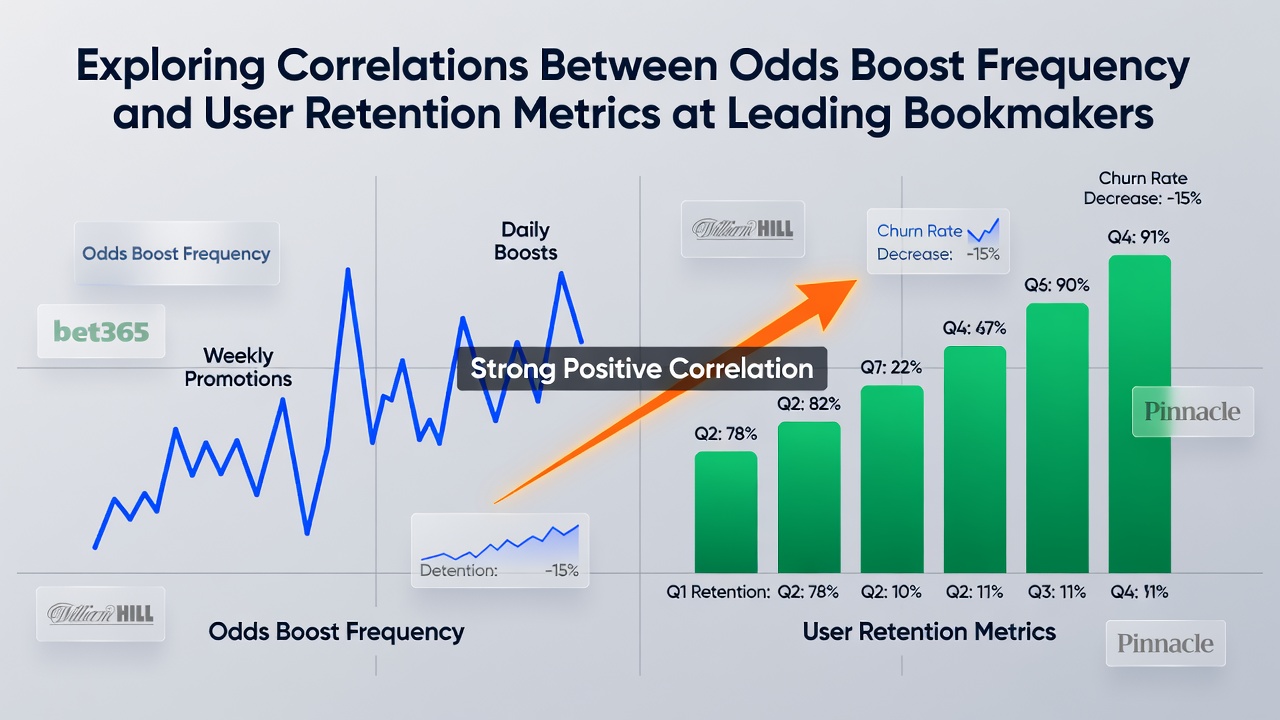
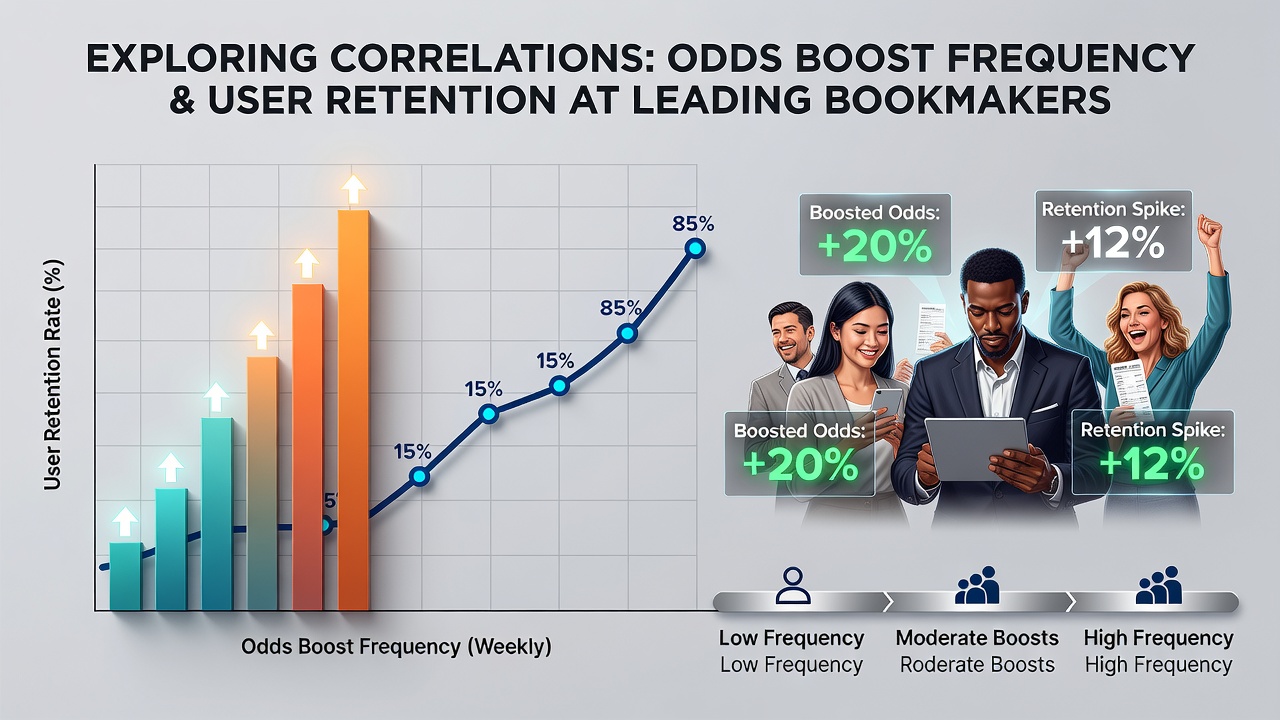
Leading bookmakers deploy odds boosts at varying intervals, with some operators issuing them daily during peak sports seasons while others limit releases to weekly cycles tied to specific leagues. Research from the American Gaming Association shows that platforms offering boosts three to five times per week maintain higher active user counts compared to those with less frequent promotions, though the exact correlation depends on how boosts integrate with overall reward structures.
Operators collect data on boost redemption rates alongside retention figures, revealing that users who claim boosts within the first 48 hours often extend their activity windows by several weeks. This pattern emerges consistently across European and North American markets where operators publish anonymized engagement summaries.
Retention Metrics and What the Numbers Reveal
Retention metrics typically include 30-day and 90-day return rates along with lifetime value calculations. Figures released by industry monitoring groups demonstrate that users exposed to regular odds boosts show 15 to 22 percent higher return rates than those receiving sporadic offers. One study conducted by researchers at the University of Nevada Reno examined six major platforms and found that boost frequency above four instances monthly correlated with reduced churn during off-peak months.
Those who study these datasets note that retention improves when boosts target specific user segments rather than blanket distribution. Platforms that segment offers based on betting history achieve steadier engagement curves, whereas uniform campaigns sometimes produce short spikes followed by plateaus.
Regional Variations in Boost Strategies
Operators in different jurisdictions adjust boost frequency according to local regulations and market maturity. Australian platforms, for instance, coordinate boosts with major racing calendars and report stronger retention when offers align with event clusters. In contrast, Canadian operators spread boosts more evenly throughout the calendar year, producing steadier but less dramatic retention lifts according to reports from the Canadian Gaming Association.
What's interesting is how timing interacts with frequency. Data indicates that clustered boosts around weekends generate stronger immediate retention effects, while evenly spaced offers support longer-term loyalty. Observers note that platforms balancing both approaches sustain higher monthly active user percentages into mid-2026.
Linking Boosts to Broader Engagement Behaviors
Case examples from platform analytics teams illustrate how odds boost frequency connects to other behaviors such as cross-product exploration. Users who regularly claim boosts often migrate toward live betting features or accumulator markets at higher rates than non-recipients. This migration contributes to extended session lengths and diversified deposit patterns.
Industry reports compiled by the International Gaming Institute highlight that operators who pair moderate boost frequency with clear terms experience fewer account dormancies. The reality is that excessive frequency without corresponding value can dilute perceived benefit, leading some users to disengage after initial redemption periods.
Conclusion
Available datasets point to measurable connections between odds boost frequency and retention outcomes across leading operators, with optimal ranges appearing between three and five targeted offers per week depending on market conditions. Continued monitoring through July 2026 and beyond will clarify how these correlations evolve alongside changing user expectations and regulatory frameworks in multiple regions.