Virtual Competitions Filling Seasonal Lulls in Global Wagering Markets
Katja Perry · May 27, 2026
Virtual Competitions Filling Seasonal Lulls in Global Wagering Markets
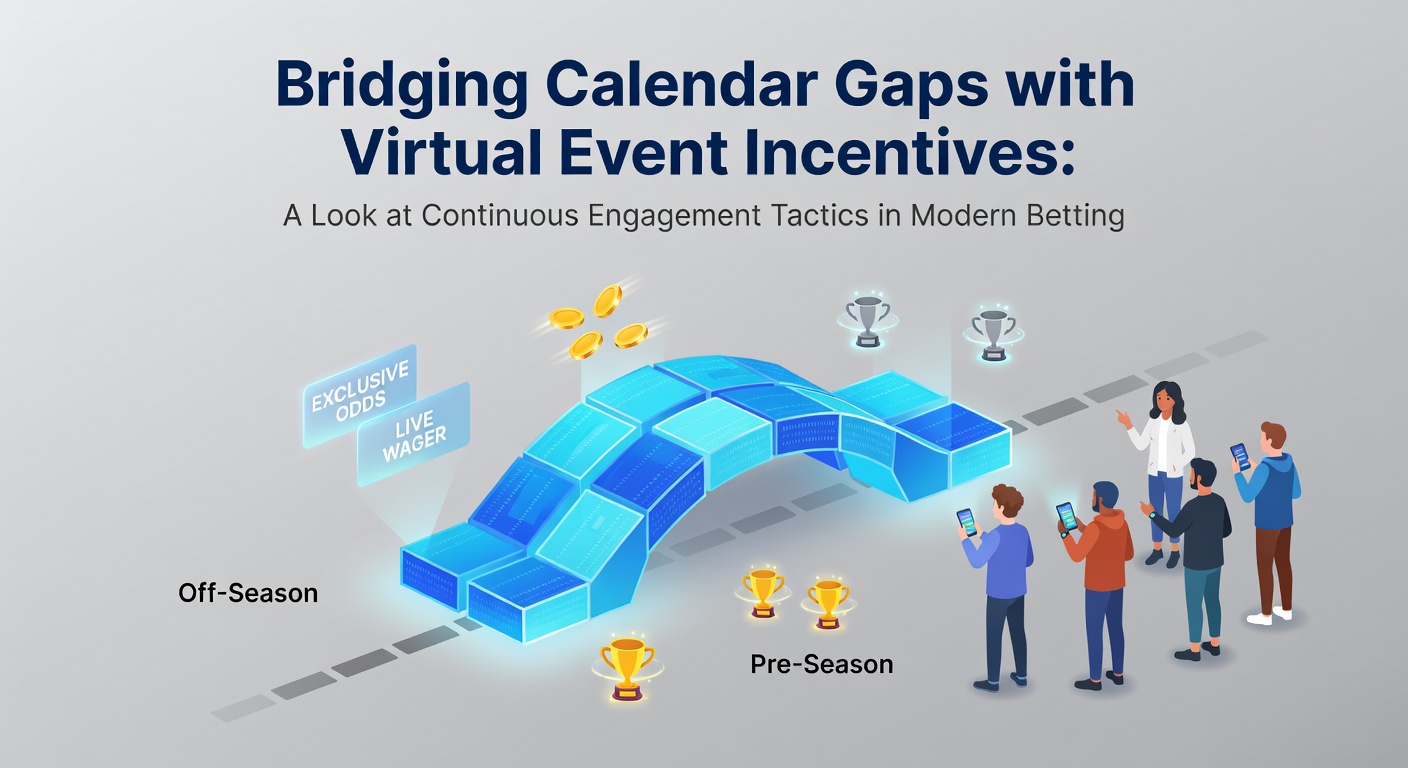
Operators have developed structured approaches that connect real-world sports calendars with simulated competitions, and these methods keep participant activity steady even when major leagues pause for breaks or off-seasons, while data from industry reports shows measurable lifts in session times during traditionally quiet months.
Understanding Calendar Interruptions in Wagering Patterns
Professional sports schedules create predictable downtime across regions, and football leagues in Europe typically wind down in May before resuming in August, whereas North American leagues follow similar patterns with extended gaps between seasons; these intervals reduce opportunities for live betting yet platforms counter the effect by introducing virtual alternatives that run continuously without relying on external fixtures.
Analysts at research institutions such as the National Council on Problem Gambling have documented how participation metrics dip during these windows unless operators deploy targeted simulations, and figures reveal that engagement can drop by up to thirty percent without intervention while virtual offerings stabilize those numbers through round-the-clock availability.
Mechanics of Simulated Events and Reward Integration
Virtual football leagues and digital horse races operate on accelerated timelines with outcomes generated by algorithms rather than physical performances, which allows platforms to stage multiple matches daily and tie them directly to incentive structures including deposit matches or cashback offers that activate only during specific simulated windows.
Those who study platform data note that reward layering works best when incentives align with event cycles, and a single operator might release odds boosts for virtual tennis tournaments that coincide with real tennis off-seasons, thereby transferring user attention seamlessly from one format to the other without requiring separate marketing pushes.
Industry Shifts Around May 2026 and Digital Acceleration
Plans announced for the closure of numerous William Hill betting shops beginning in May 2026 have prompted wider movement toward fully digital environments, and this transition coincides with expanded use of virtual events that require no physical retail presence while maintaining revenue streams through continuous online access.
Regulatory bodies in Australia, including the Australian Communications and Media Authority, have tracked similar patterns where reduced land-based options lead to higher adoption of virtual formats, and their reports indicate that engagement tactics centered on simulated competitions have offset losses from shop reductions in comparable markets.
Regional Examples of Continuous Engagement Strategies
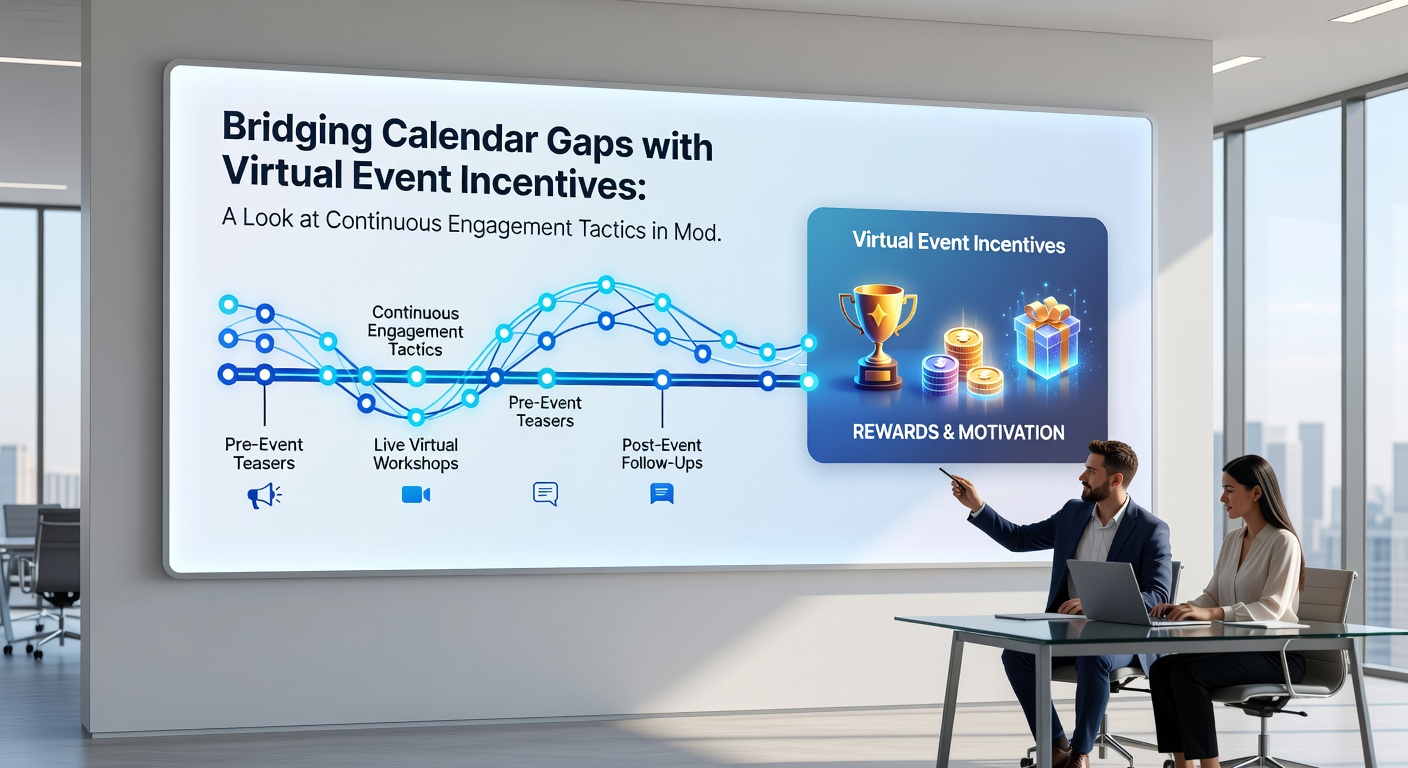
European operators frequently link virtual basketball simulations to loyalty point multipliers during summer months when real leagues rest, and Canadian provincial regulators have observed that such pairings increase average wager frequency by measurable margins according to aggregated transaction records; these approaches rely on transparent rules that disclose how virtual results feed into bonus eligibility without overlapping existing real-event promotions.
One documented case involves platforms that schedule virtual cricket events timed to fill gaps left by international tours, and reward triggers activate automatically once users reach participation thresholds, which creates a self-sustaining loop that researchers at academic centers like the University of Nevada's gaming studies program have examined for retention effects across multiple jurisdictions.
Data Patterns and Platform Adaptations
Transaction volume statistics collected by independent monitoring services show that virtual event incentives correlate with steadier daily active user counts even when traditional sports calendars empty out, and operators adjust incentive values dynamically based on real-time participation to prevent fatigue while preserving the bridging function across calendar gaps.
What's interesting is how these systems integrate with broader loyalty frameworks so that points earned from virtual sessions carry forward to upcoming real events, which reduces the perception of separate product silos and encourages ongoing platform use throughout the year.
Conclusion
Virtual event incentives have become standard tools for maintaining activity levels across seasonal interruptions, and the approach gains added relevance as physical retail footprints contract around May 2026 and beyond, while regulatory data from varied regions confirms that structured simulations paired with clear reward mechanisms deliver consistent engagement without depending solely on live sports schedules.